
The Río Niño
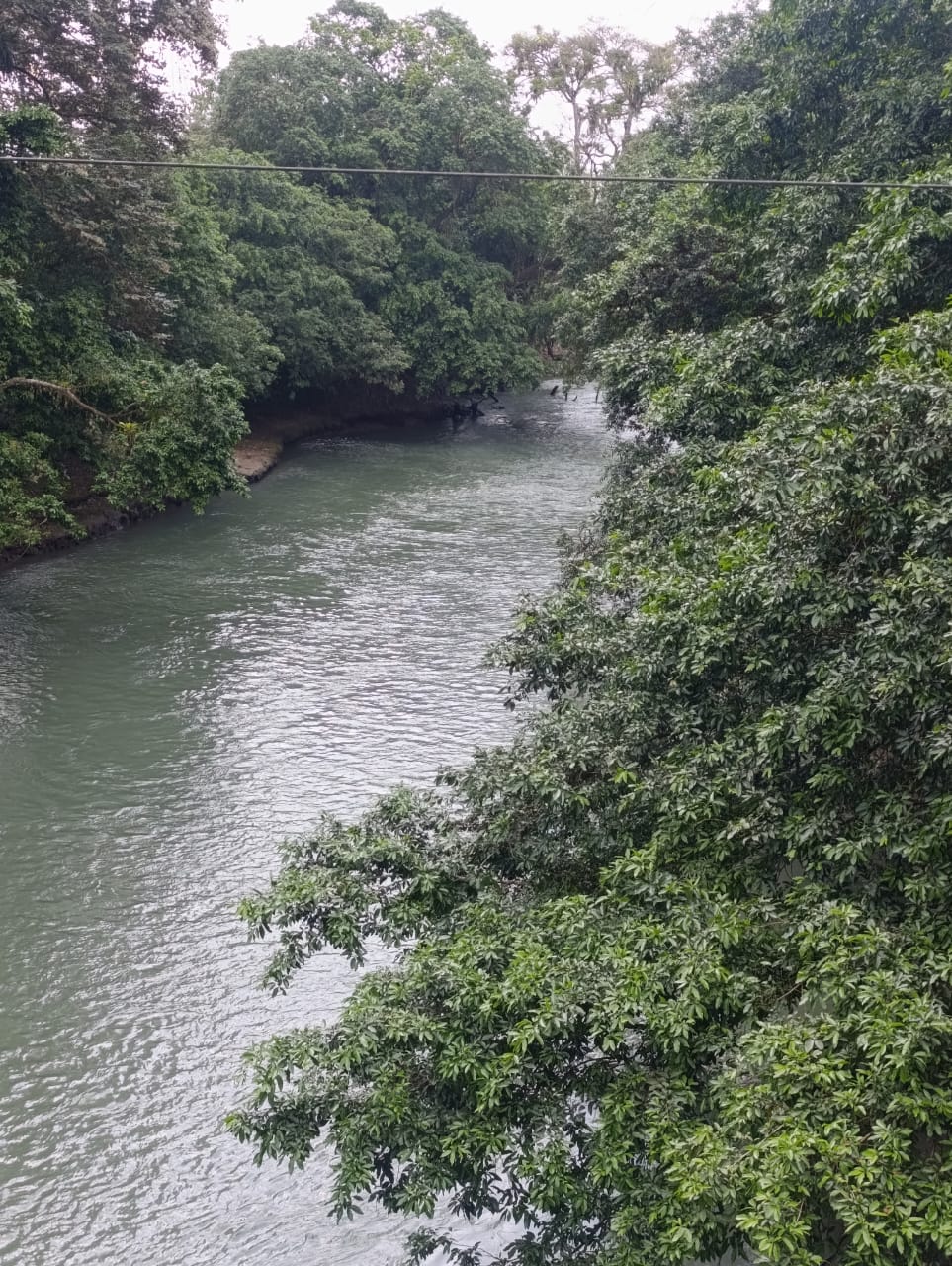
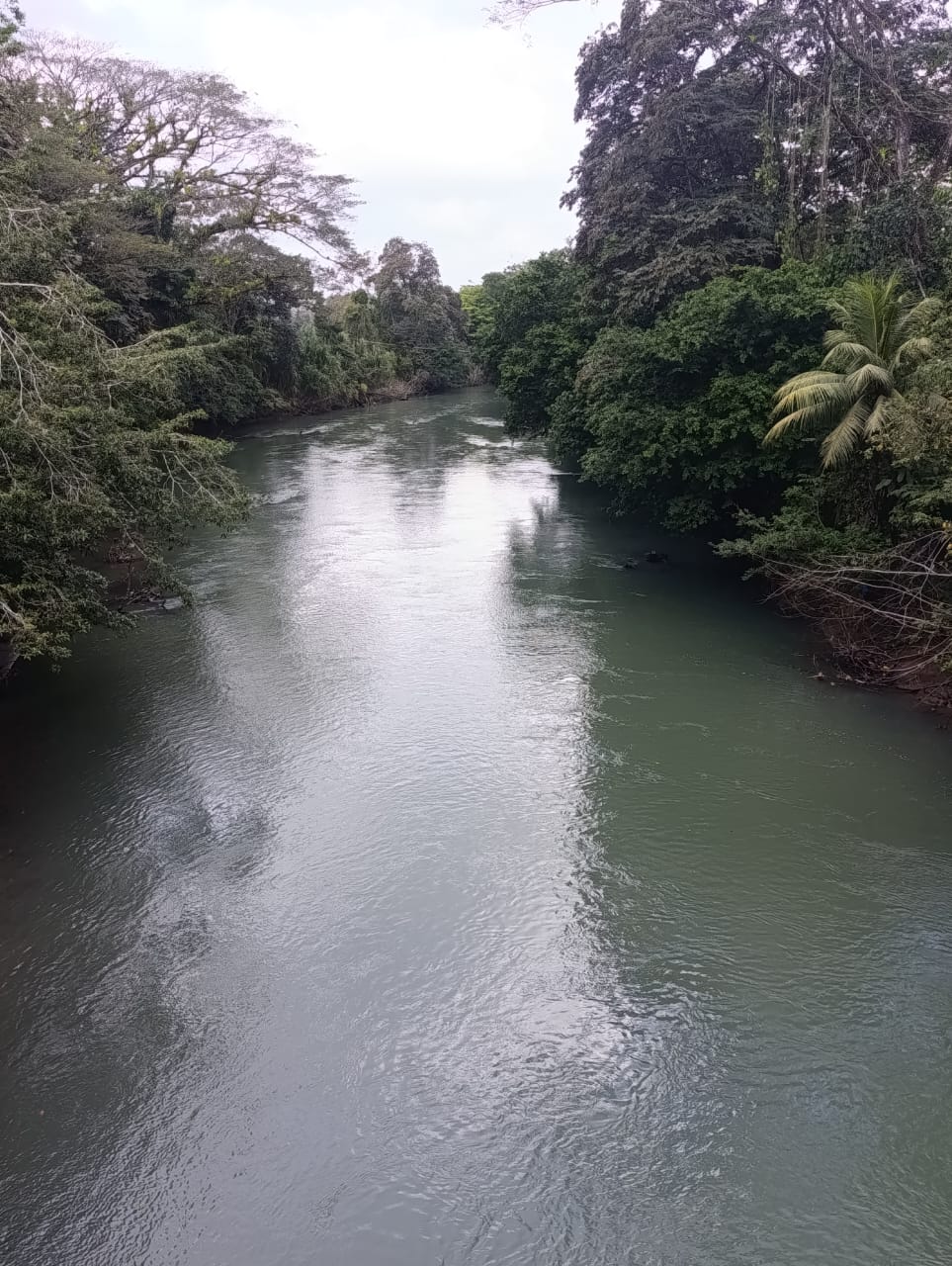
The Río Niño flows through northern Costa Rica in Alajuela Province, near the community of San José de Upala. Upala lies in Costa Rica’s Zona Norte and is commonly grouped with the Chorotega Region for regional planning and travel, while remaining outside Guanacaste Province. This area sits within a transition zone between tropical dry forest and wetland ecosystems, giving the river a character that shifts with the seasons. It is a smaller, technical river system that rewards awareness, timing, and an understanding of changing water.
The River System
The Río Niño connects into broader northern watershed systems that influence Caño Negro and the Río Frío wetlands. During seasonal shifts, water levels, clarity, and current speed alter holding zones and fish movement. Unlike larger commercial fisheries, this river remains quiet and lightly pressured.
Seasons in Northern Costa Rica
Northern Costa Rica experiences two primary patterns: the dry season (typically December through April) and the green season (May through November). In drier months, water clarity often improves and river structure becomes more defined. During wetter months, the system expands, edges shift, and holding water changes. Both seasons produce opportunity. The difference lies in approach.
Freshwater Fishing in Northern Costa Rica
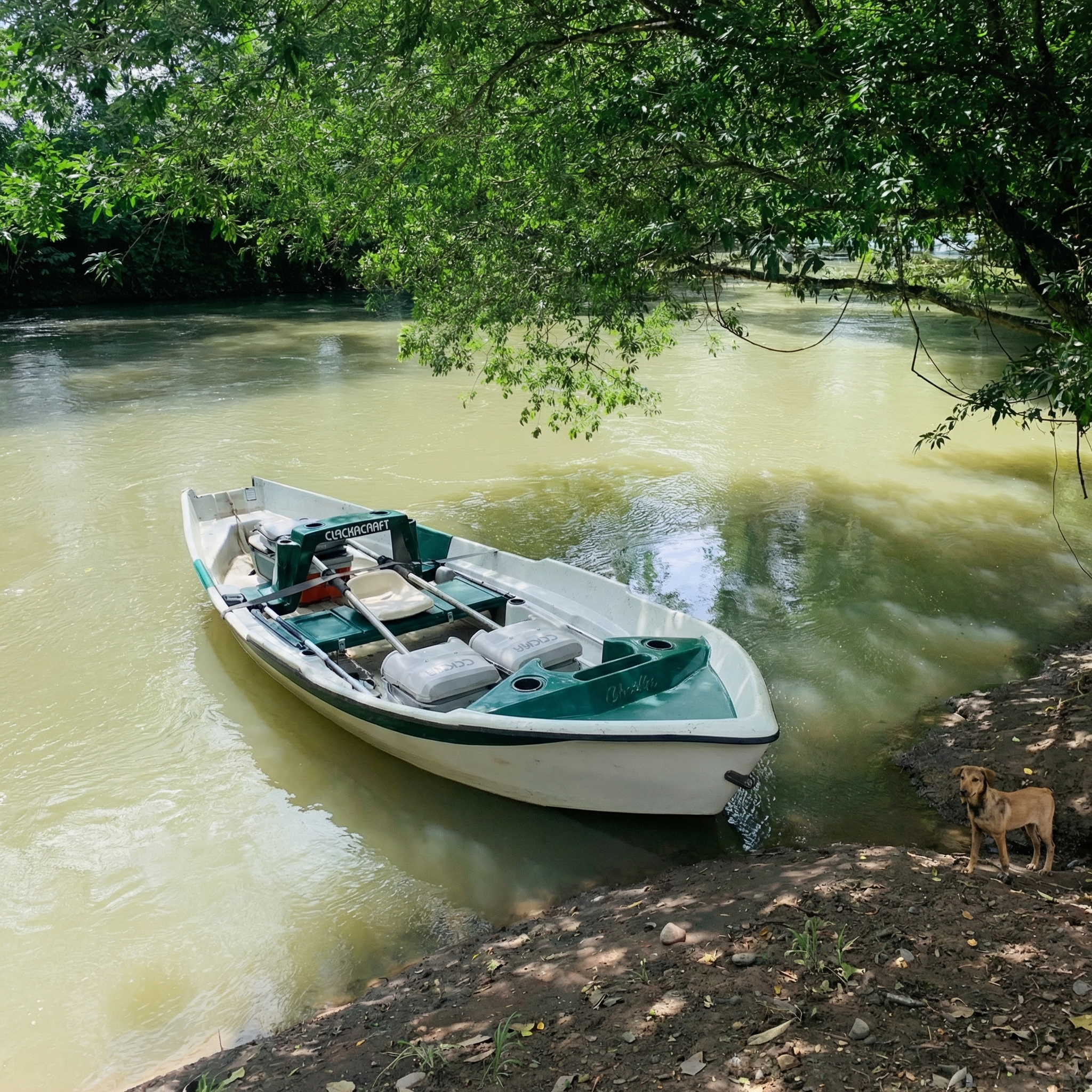
Species such as guapote (jaguar cichlid) and machaca have long been part of local freshwater ecosystems and regional food traditions. Seasonal movements of snook and tarpon into connected waterways add further diversity during certain conditions. While coastal tarpon fisheries receive international attention, inland systems like the Río Niño remain understated and technical.
Northern Costa Rica and the Guanacaste Connection
Upala sits in Alajuela Province, close to the Guanacaste border and within reach of Guanacaste’s dry forest and volcanic highlands. To the east, northern wetland systems such as the Caño Negro Wildlife Refuge support migratory birds, reptiles, and aquatic species. This location gives the Río Niño a genuine northern Costa Rica identity while allowing travellers to connect it naturally with Guanacaste, Bijagua, Río Celeste, and other regional itineraries.