
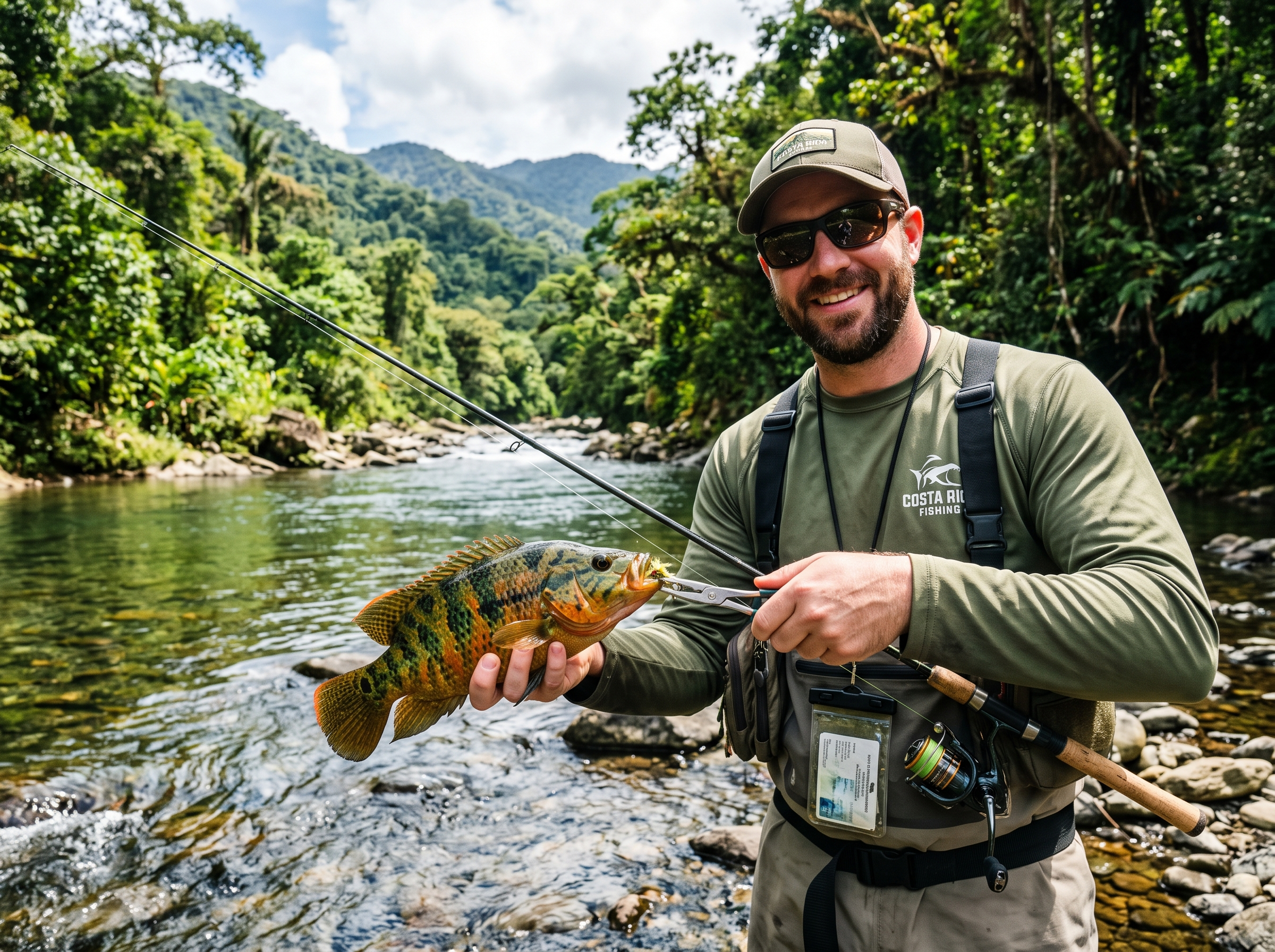
The short answer is yes. If you plan to fish in Costa Rica, including freshwater rivers and lakes, Costa Rica’s fishing authority says the person doing the fishing must carry the appropriate sport-fishing card.
The confusing part is the language. Travelers often call it a fishing licence or permit, while INCOPESCA describes the personal credential as a carné de pesca deportiva. That individual card is separate from licences tied to a boat or tourism operator, and a guided trip does not automatically erase the angler’s responsibility.
Quick answer: INCOPESCA states that anyone practicing commercial or sport fishing in marine or inland waters must carry the corresponding card. Tourists can apply online using their passport details and pay the applicable fee.
Checked August 10, 2026: official prices and procedures can change. Confirm the card type, fee and effective date on INCOPESCA’s website before fishing.
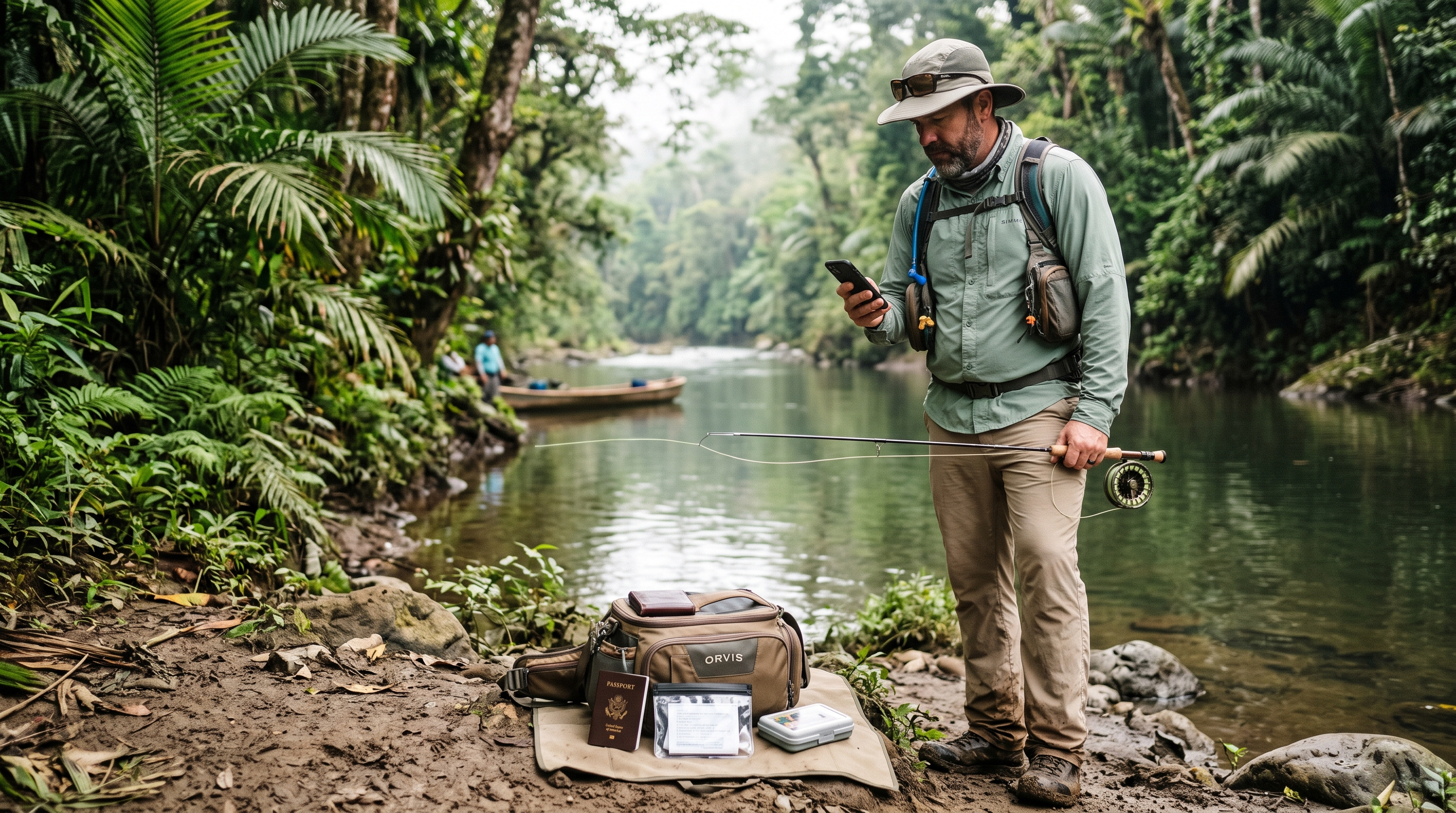
Handle the fishing card before the river day so your morning can begin with breakfast, gear and the drive to the launch—not paperwork.
Do You Need a Fishing License in Costa Rica?
According to INCOPESCA’s official sport-fishing card guidance, the requirement applies to sport fishing in marine and continental waters. Continental waters include the freshwater side of the trip—rivers, lakes and similar inland fisheries.
The official guidance includes cards for nationals, residents and foreigners fishing from a boat, as well as a category for fishing from shore or kayak. For guests fishing the Río Niño from a drift boat, the boat-based sport-fishing option is the relevant category to review with INCOPESCA and your outfitter.
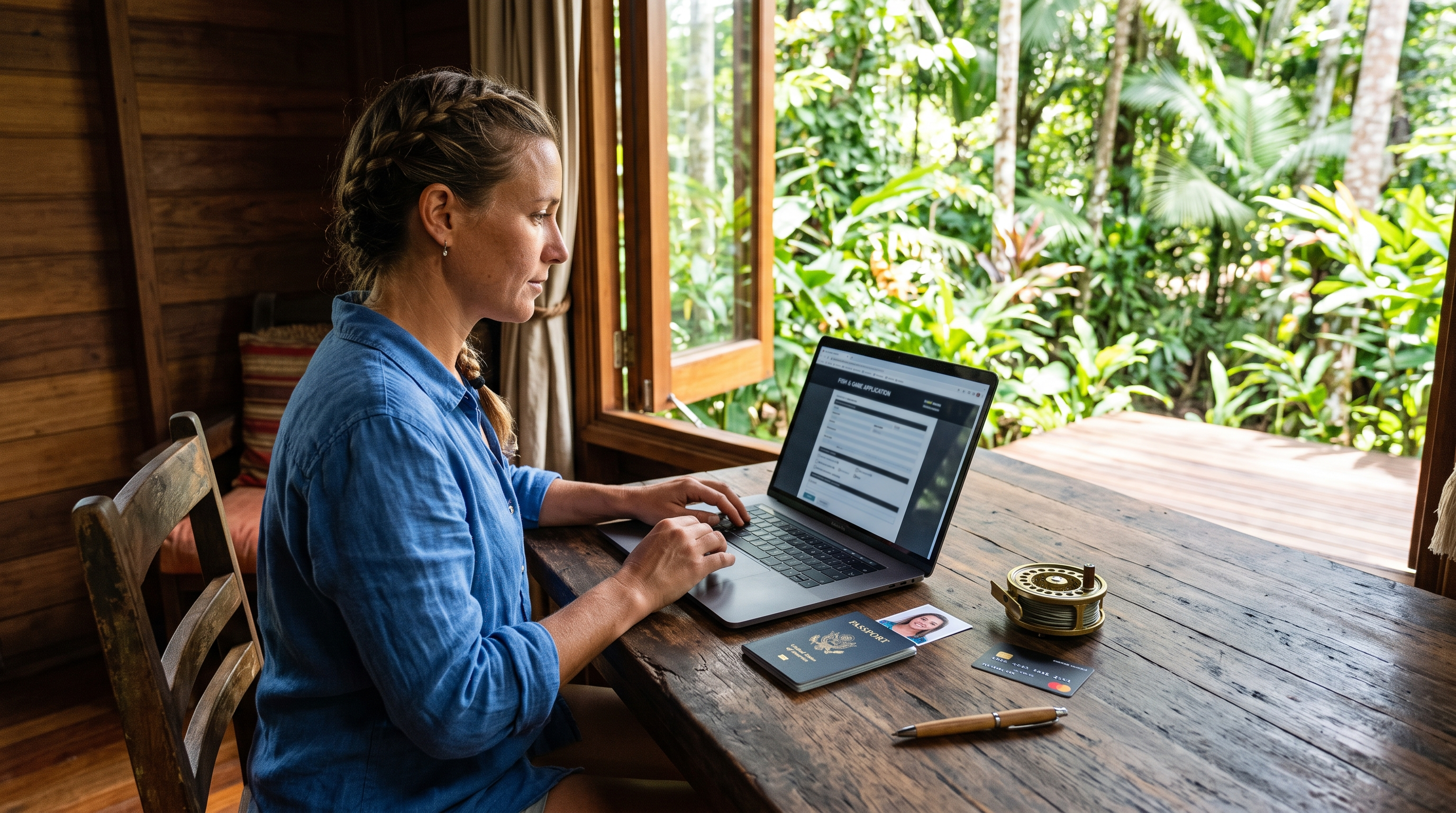
The online process asks for personal details, passport information, an email address, the desired start date and payment.
How to Get a Costa Rica Fishing License Online
The cleanest option for most visitors is the official online process. Do not rely on a look-alike site or a screenshot of an old fee chart. Begin at INCOPESCA and make sure the page address uses the official incopesca.go.cr domain.
- Open the official sport-fishing card application.
- Add the applicant and enter the requested personal information.
- Use the name and passport number exactly as they appear on the travel document.
- Select the correct fishing category and validity period for the trip.
- Choose the start date carefully so the card covers the actual fishing day.
- Pay through the official process and retain the confirmation or issued credential.
- Save an offline copy on your phone and bring a printed copy if practical.
Do this before leaving dependable internet. Northern Costa Rica is not the place to discover that your confirmation is buried in an inbox, your payment failed or your selected start date is wrong. Download the card, lodge directions and trip contact details before travel.
What Does a Costa Rica Fishing License Cost?
At the time this guide was checked, the official online application displayed the following VAT-inclusive prices. Treat these as a current snapshot, not a permanent promise.
| Sport-fishing card shown online | Validity | Price displayed | Likely traveler fit |
|---|---|---|---|
| Fishing from a boat | 8 days | US$16.95 | Short fishing vacation or one guided river day |
| Fishing from a boat | 30 days | US$28.25 | Longer visit with several possible fishing days |
| Fishing from a boat | 1 year | US$56.50 | Repeat visitors or extended travel |
| Fishing from shore or kayak | 1 year | ₡6,215 | Independent shore or kayak category; confirm suitability |
Source: INCOPESCA’s official online application as reviewed August 10, 2026. Currency conversion, card categories and fees may change. Use the amount shown during the official checkout process.
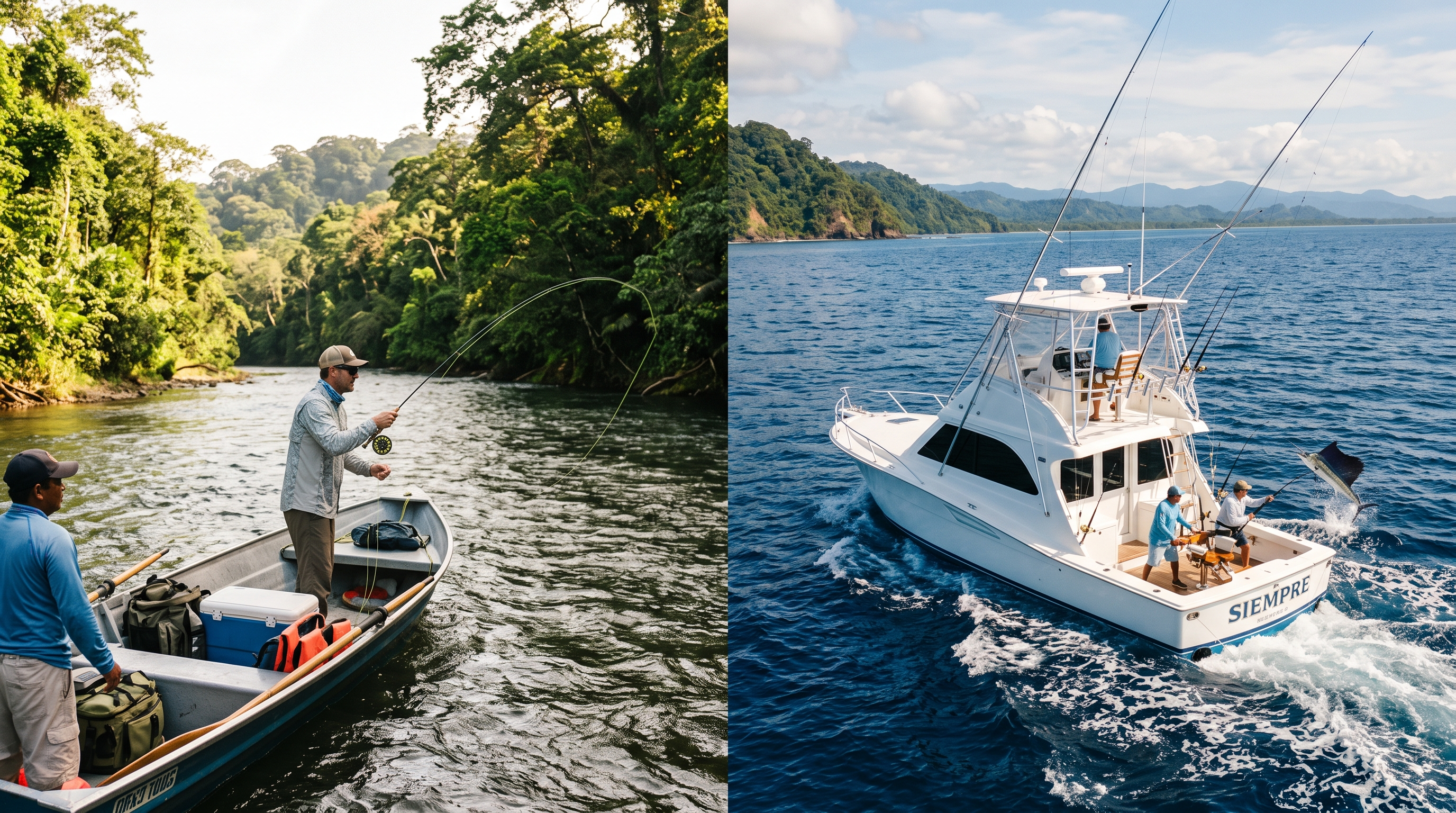
Costa Rica’s personal sport-fishing card requirement is not only an offshore rule; INCOPESCA expressly refers to marine and continental waters.
Freshwater Fishing Versus Offshore Fishing
Most English-language licence content about Costa Rica is written for marlin, sailfish and offshore charters. That can leave freshwater travelers believing the rules stop at the coastline. The official wording does not make that distinction.
The practical difference is the experience around the fishing. Offshore trips are generally organized around coastal marinas and larger charter boats. On the Río Niño, the day is a tropical freshwater float targeting fish such as machaca and guapote, with river conditions, structure and guide positioning shaping the fishing.
Neither setting guarantees a catch. Water level, clarity, rainfall, fish behavior, casting and many other factors can influence the day. The licence gives you legal permission to participate; it is not a promise about results.
What a Guided Río Niño Fishing Day Looks Like
Guests at the lodge eat breakfast before the early departure. The group normally aims to leave around 6 a.m., then drives roughly 35 to 45 minutes upstream to the selected launch point. The precise launch depends on the day’s plan and river conditions.
Once the drift boat is in the water, the float commonly lasts about four to six hours. Guides Gilberto and Dale help guests with casting, fly placement and reading the river while keeping the pace suited to the group. Water and requested snacks can travel in the cooler.
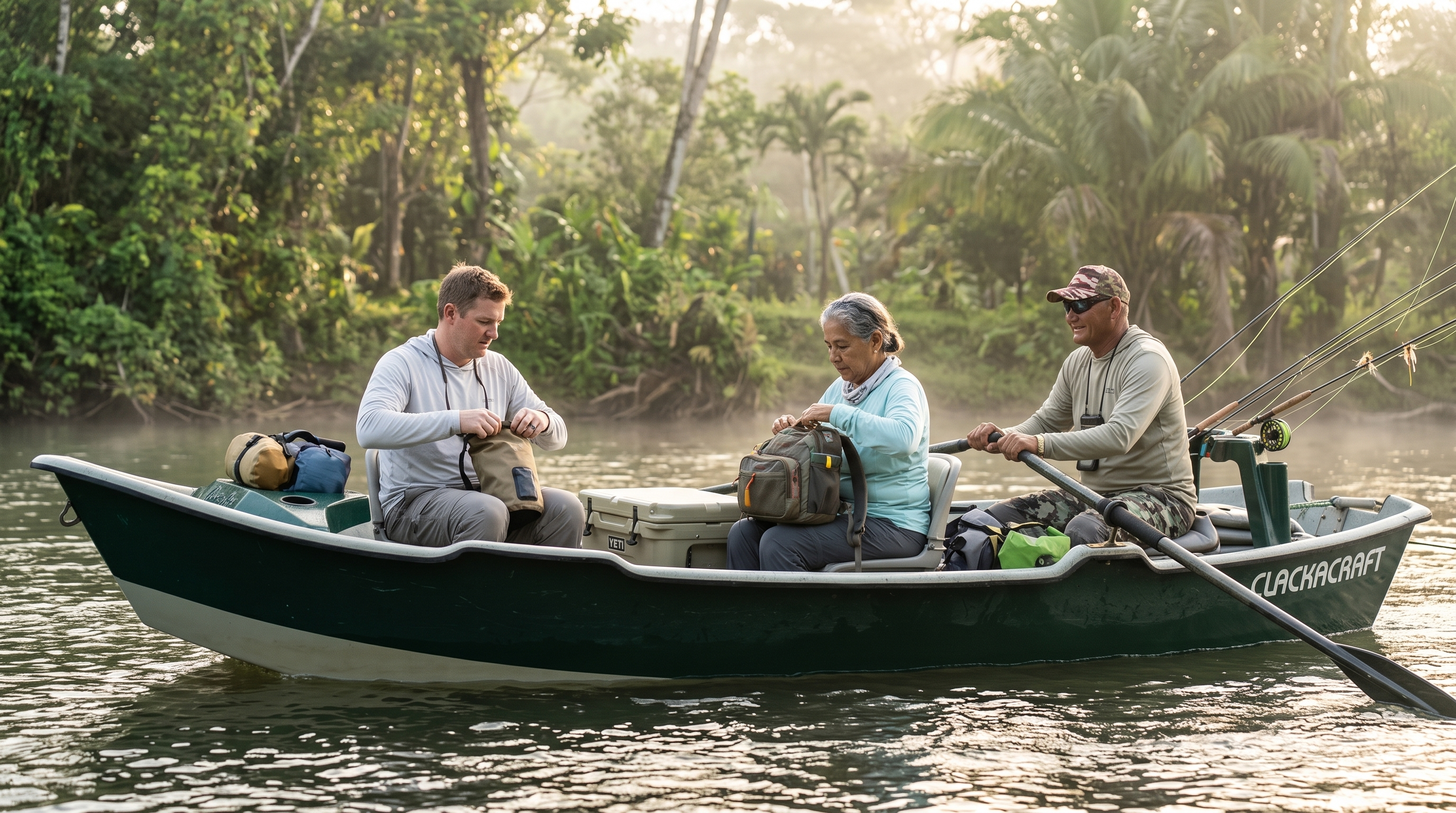
A Río Niño day begins early, includes a drive to an upstream launch, and unfolds as a four-to-six-hour guided float back through Northern Costa Rica.
After the boat is loaded back onto the trailer, guests return to the lodge to unwind and have supper. The lodge has air-conditioned rooms, lounge seating, television, a pool table, darts and cornhole, while the covered outdoor area gives you space for a fire or barbecue. Because the lodge sits beside Gilberto’s home in a local community near Upala, the experience feels connected to the people and place rather than sealed inside a resort bubble.
Book the Trip, Then Match the Card to Your Dates
Choose the package that fits the number of fishing days you want, confirm the planned date with the Río Niño team, and set the official card’s start date so it covers the actual river day.
What to Carry on the Fishing Day
- Your passport or another accepted identification document.
- The issued sport-fishing card or accessible confirmation, preferably saved offline.
- Sun protection, polarized glasses and clothing suited to heat, humidity and sudden rain.
- Any personal medication and a small dry bag for essentials.
- Fishing gear agreed upon with the outfitter; do not assume every item must be flown in.
For the rest of the travel preparation, use the Costa Rica fly-fishing packing checklist and the guide to flying with rods, reels and flies. If you are deciding when to travel, compare your dates with the month-by-month freshwater guide.
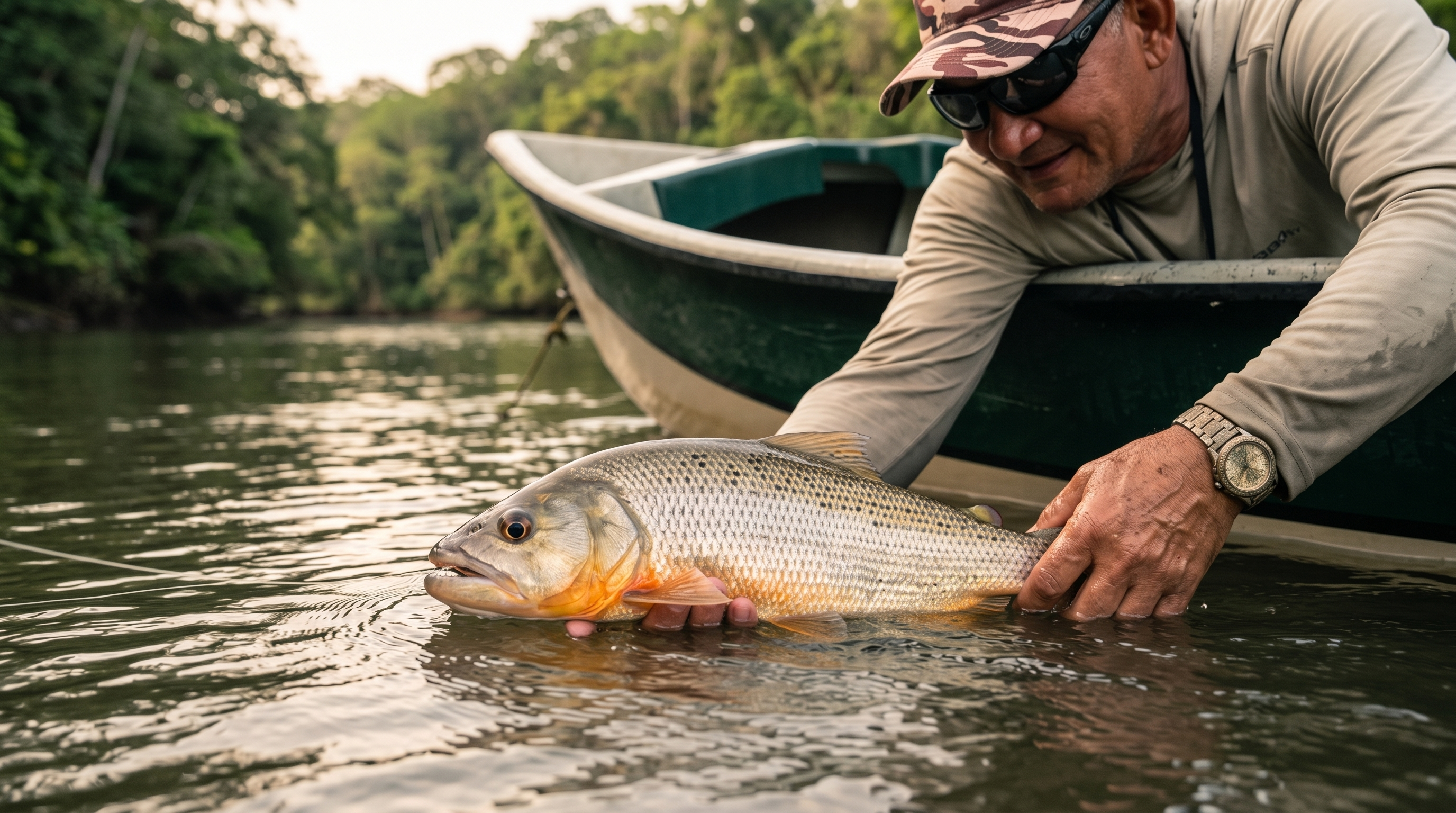
A valid card belongs beside responsible fish handling, local rules and honest expectations about a changing tropical river.
Responsible Fishing Does Not End With the Card
Legal permission is the minimum, not the entire standard. Follow the guide’s direction, handle fish carefully, reduce time out of the water, keep hooks and line controlled around other guests, and do not leave packaging or damaged tackle behind.
Our guide to sustainable fly-fishing travel in Costa Rica explains how those small choices protect the river experience. New tropical anglers should also review the river safety guide before the trip.
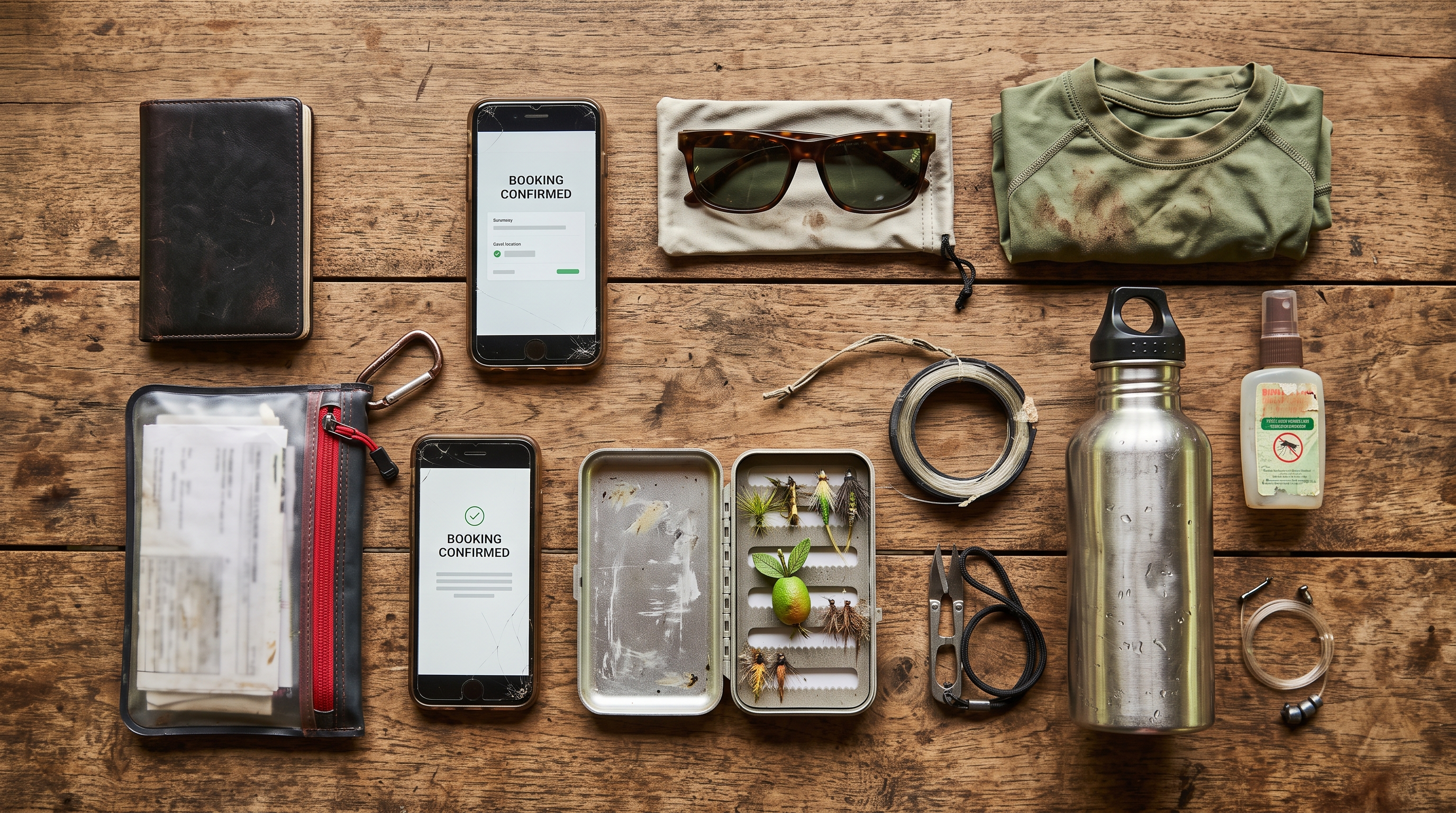
The useful pre-trip checklist is simple: passport, valid card, offline confirmation, weather-ready clothing, eye protection and the right flies for the plan.
Common Fishing License Mistakes
Frequently Asked Questions
Do tourists need a fishing license in Costa Rica?
Yes. INCOPESCA says national, resident and foreign sport fishers must carry the appropriate personal sport-fishing card when fishing in marine or continental waters.
Do I need a fishing license for freshwater fishing in Costa Rica?
Yes. INCOPESCA’s rule expressly includes continental waters, which covers freshwater fishing environments such as rivers and lakes.
Can I get a Costa Rica fishing license online?
Yes. INCOPESCA provides an online sport-fishing card application that collects personal and passport information, the desired start date, card category and payment.
How much is a fishing license in Costa Rica?
When checked on August 10, 2026, the official application showed boat-fishing cards at US$16.95 for 8 days, US$28.25 for 30 days and US$56.50 for one year, including VAT. Verify the live fee before purchase.
Does a guided fishing trip include my personal fishing card?
Do not assume it does. Ask the outfitter what is included, then confirm your personal card requirement and obtain the correct document through INCOPESCA.
What is the difference between a fishing card and a vessel licence?
The sport-fishing card is issued to the individual who fishes. A vessel or tourism licence is a separate authorization associated with the boat or operation.
Should I print my fishing card?
Keep a digital copy available offline and print a backup if practical. Also carry the identification used for the application.
Plan the River Day Without Leaving the Paperwork Until Morning
Choose your Río Niño package, confirm the fishing dates, and complete the official card process before traveling into Northern Costa Rica. That leaves the early morning for breakfast, casting and the river.
Important: This guide is practical trip-planning information, not legal advice. Regulations, card categories, fees and procedures can change. INCOPESCA is the authority for the current requirement.
Leave a Reply