
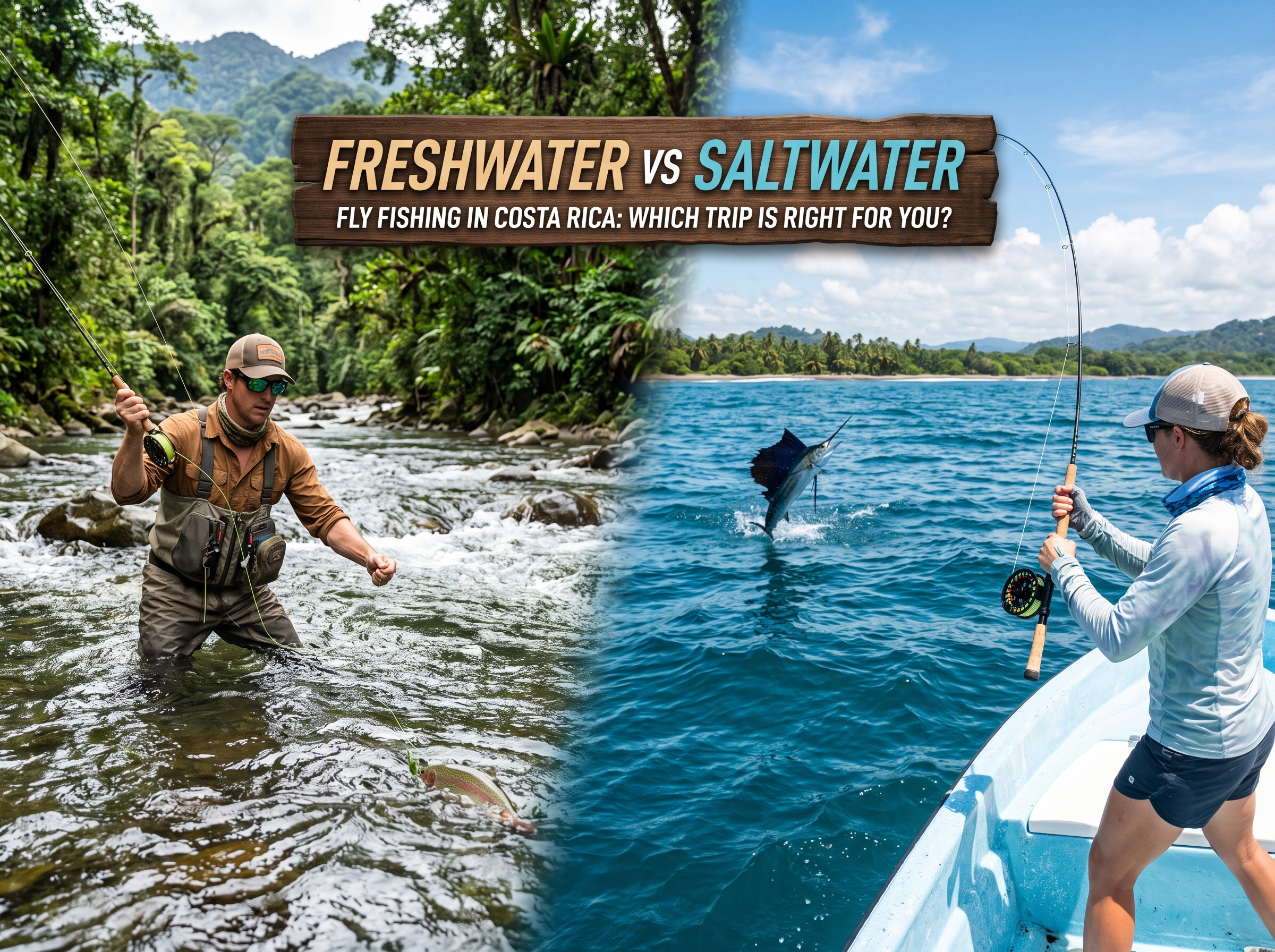
Costa Rica can put an angler on a narrow jungle river, an inshore coastline or open Pacific water without leaving the same small country. That variety is exciting, but it also creates a problem: freshwater and saltwater fishing are not two versions of the same vacation.
The right choice depends on the water you want to fish, the way you like to cast, your tolerance for boat motion, the species that excite you and what the rest of your travelling group wants from Costa Rica.
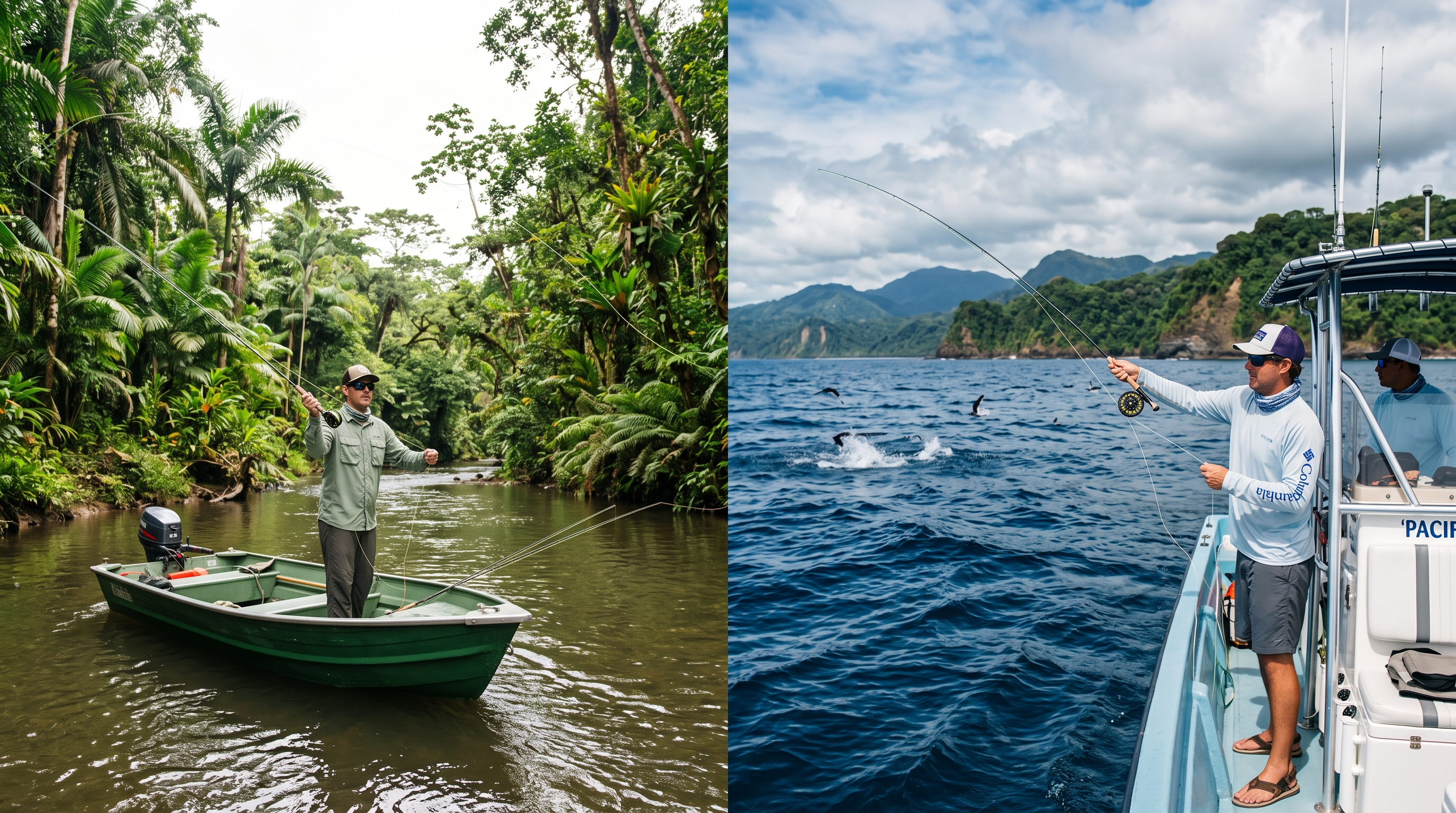
Image transparency: The illustrative images in this article were created with AI. They do not depict a specific guest, catch, wildlife sighting or guaranteed experience.
Freshwater and Saltwater Are Different Vacations
A freshwater day on the Río Niño is built around moving water, jungle edges, logs, roots, current seams and changing river levels. The guide may choose a drift boat, wading or a slower float according to conditions and the group’s goals.
A saltwater trip normally starts from a coastal town or marina. It may involve inshore casting, offshore runs, trolling or a combination of techniques. That distinction matters because many Costa Rica sport-fishing charters are not dedicated fly-fishing operations. An angler who wants to cast flies should confirm the boat, tackle and fishing method before booking.
Freshwater vs Saltwater Fishing Guide
| Question | Freshwater and Río Niño | Saltwater |
|---|---|---|
| Setting | Narrow tropical river, forest and structure | Inshore coastline or open ocean |
| Typical day | Lodge-based guided river outing | Marina departure and boat charter |
| Casting | Accuracy and control around cover | Wind management, distance and heavier flies |
| Boat movement | Current, bends and a smaller craft | Swell, wind and potentially longer runs |
| Possible targets | Guapote, machaca and conditions-dependent snook | Varies by coast and charter; inshore and pelagic species |
| Gear | Generally lighter than offshore tackle | Heavier, corrosion-resistant equipment |
| Trip atmosphere | Quiet, immersive and connected to a rural lodge | Coastal, marina-based and exposed to open conditions |
| Catch certainty | Never guaranteed | Never guaranteed |
What Freshwater Fly Fishing Feels Like
Freshwater fishing in northern Costa Rica is not a tropical copy of a wide-open trout stream. On the Río Niño, productive water can sit close to branches, submerged timber, shaded banks and current changes. Short, controlled presentations can matter more than showing everybody how far you can cast.
Guapote and machaca are two of the river’s core targets. Seasonal snook may also be part of the discussion when conditions support them. Species and behaviour change with water level, clarity, season and the connected river system, so the honest answer for specific travel dates comes from Dale or Gilberto—not a guarantee written months earlier.
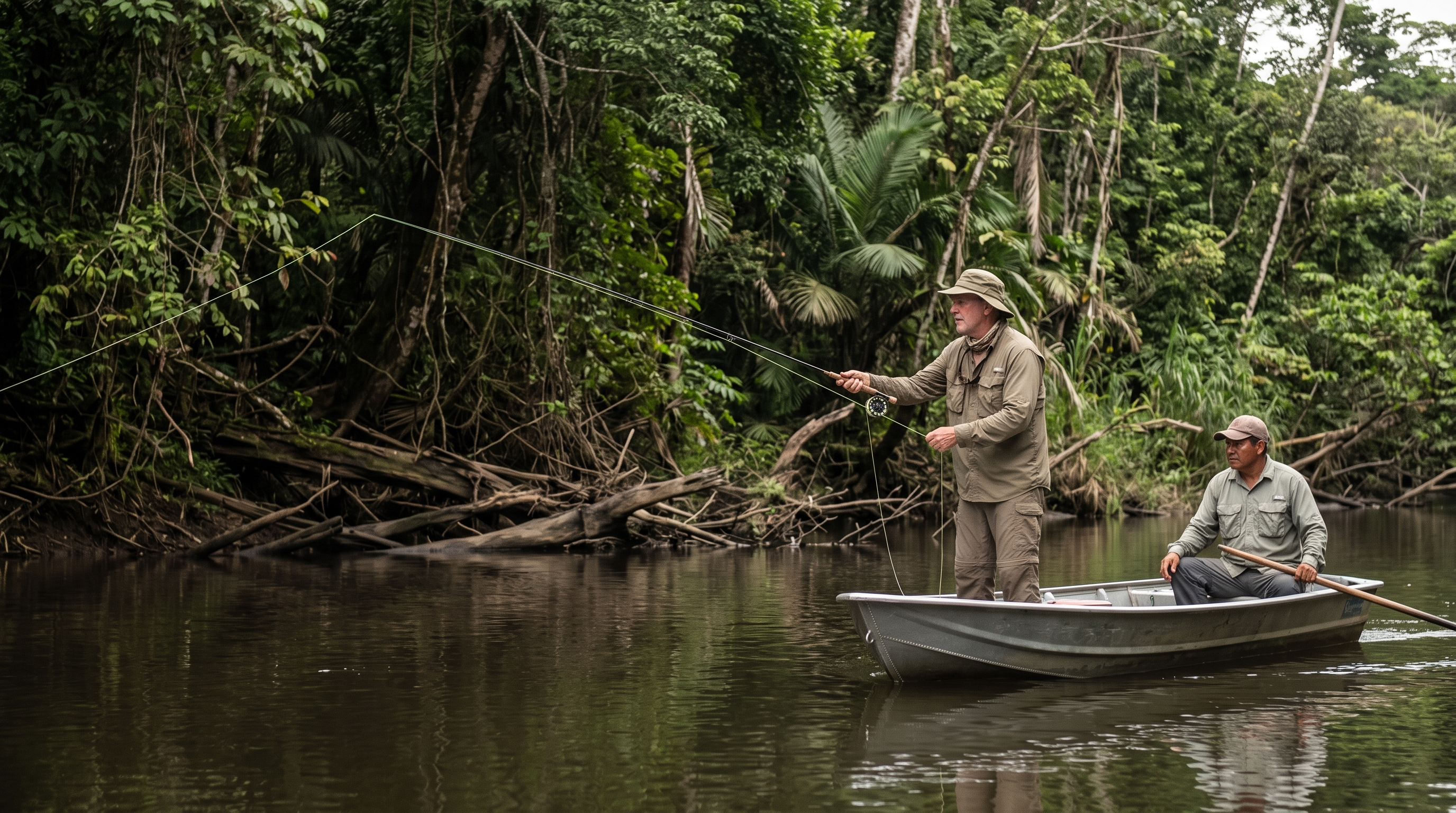
The quieter setting is part of the value. A fishing day can include birds, monkeys, reptiles and long stretches of river where the forest is more noticeable than another boat. Wildlife sightings are possible, never promised.
What Saltwater Fly Fishing Feels Like
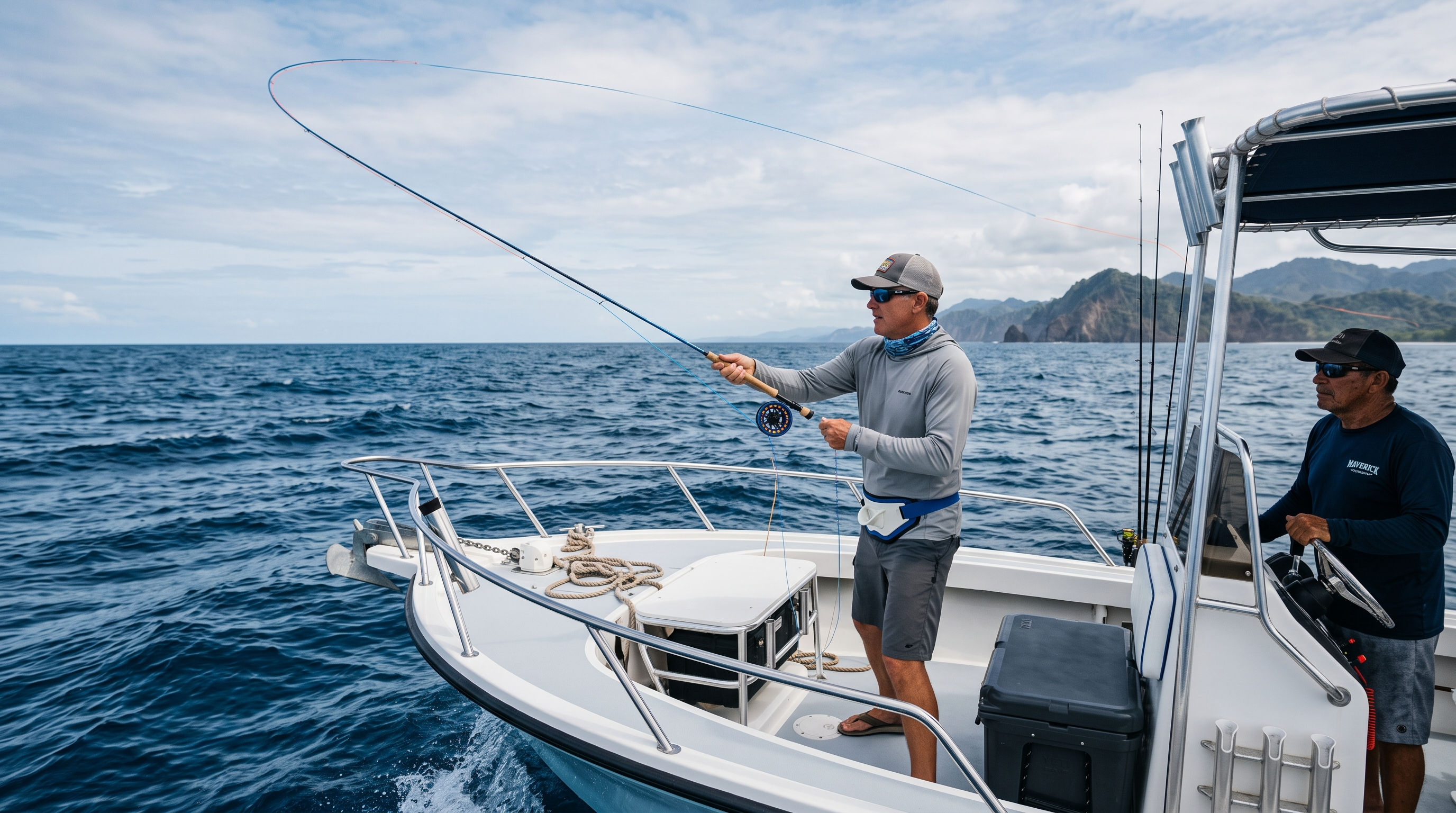
Saltwater fishing asks different questions. Can you cast into wind? Are you comfortable on a moving boat? Can you handle heavier equipment for several hours? Do you want inshore fishing near the coast, or an offshore trip that may require a longer run before fishing begins?
Costa Rica’s Pacific coast is known for sport fishing that may target sailfish, marlin, dorado, tuna and other species. That does not mean every charter targets those fish on fly tackle. Offshore crews may be set up primarily for trolling, while an inshore operation may be better suited to casting. Ask specifically whether the captain welcomes fly anglers and whether you should bring or request fly equipment.
Which Fishing Is Better for Your Skill Level?
Freshwater is not automatically the beginner choice. Trees, tight casting lanes and moving current can make the Río Niño technical. A good guide can simplify the day, demonstrate presentations and choose water that fits the angler, but the river still rewards listening and adaptability.
Saltwater can demand longer casts, tighter timing and more line control in wind. Heavier rods and larger flies can also become tiring. At the same time, a well-run inshore trip may suit a beginner better than a difficult river day. Guide quality, conditions and trip design matter more than the freshwater or saltwater label alone.
How the Gear Changes
A Río Niño setup is built for freshwater structure, controlled casting and tropical conditions. Saltwater equipment must also handle larger flies, stronger fish and corrosive salt. Reels, guides and tools used around the ocean should be rinsed appropriately after the trip.
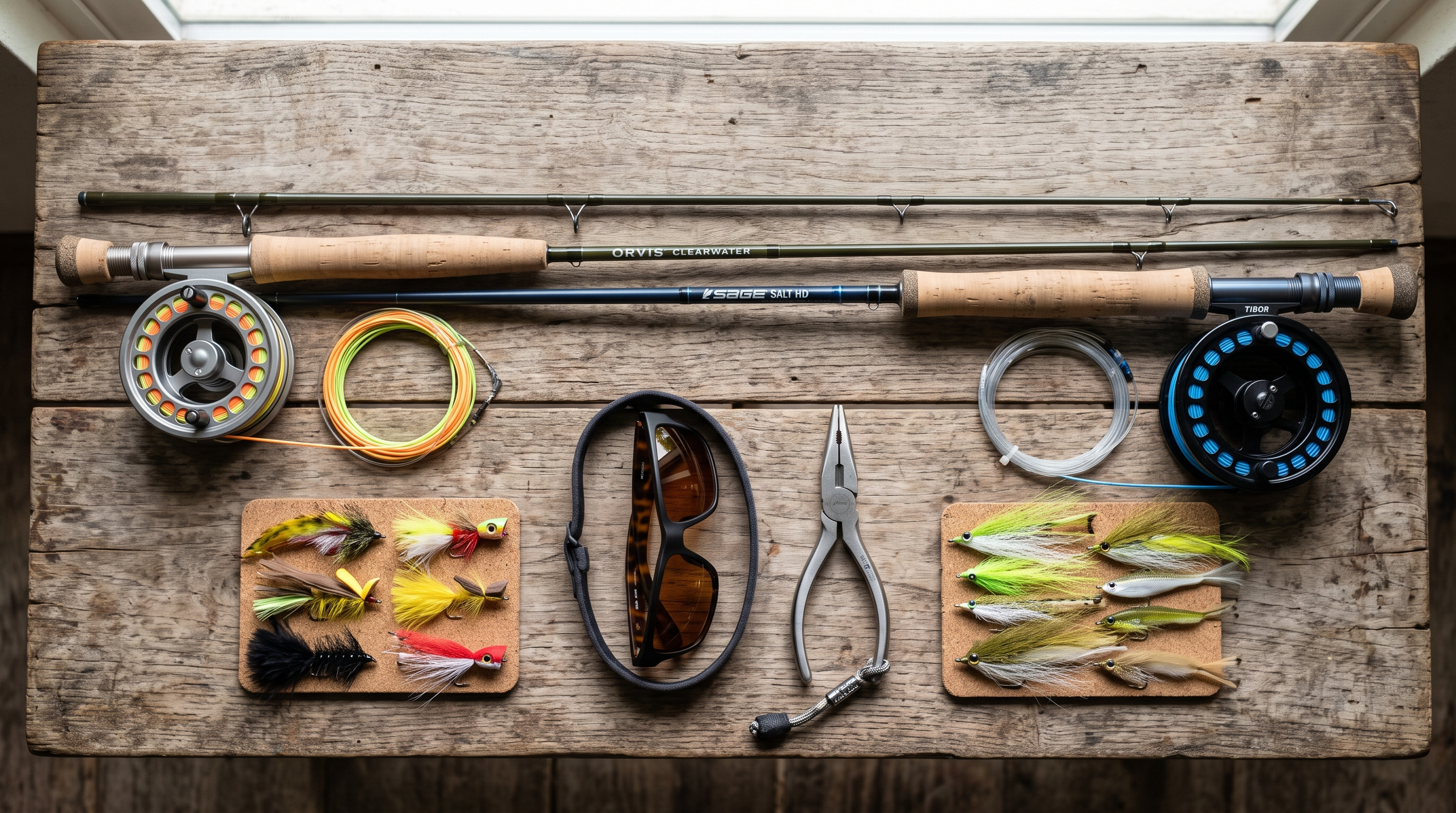
Instead of duplicating a complete equipment list here, use the Costa Rica freshwater packing checklist and the guide to flying with rods, reels and flies. Confirm saltwater tackle directly with the chosen coastal charter.
Species Should Influence the Decision—But Not Control It
If your dream is specifically a sailfish, roosterfish or another saltwater target, a freshwater lodge cannot replace that experience. If you want guapote, machaca, technical river structure and northern Costa Rica’s inland scenery, an offshore boat cannot replace the Río Niño.
Keep expectations grounded. A target species is a planning goal, not a reservation guarantee. Weather, water level, clarity, current, fish behaviour and casting all affect the day.
Licences Apply on Both Sides of the Comparison
INCOPESCA’s current guidance covers sport fishing in marine and continental waters. That means freshwater should not be treated as a paperwork-free exception. Card categories, fees and procedures can change, so use the current Costa Rica fishing-licence guide and begin with the official INCOPESCA website.
Which Trip Works Better for a Couple?
Saltwater can pair naturally with a beach stay, but a long offshore day may be a poor fit for a partner who does not fish or is sensitive to boat motion. A freshwater lodge can offer a quieter shared base, wildlife, meals and a scenic float, even when only one person wants a full fishing day.
The deciding question is not “Which setting is more romantic?” It is “Will both people have a real vacation?” Our guide to Costa Rica fishing trips for couples and non-fishers builds the itinerary from that question.
Can You Combine Freshwater and Saltwater?
Yes, but Costa Rica’s size can be misleading. Travel between a northern inland lodge and a Pacific marina still takes time. Build separate fishing days, allow realistic transfer margins and avoid squeezing an offshore charter between a late drive and an early flight.
Choose Freshwater If…
Freshwater fits you
- You enjoy technical casting around structure.
- You want a quieter, small-group experience.
- Wildlife and jungle scenery matter.
- You like returning to the same lodge after fishing.
- Guapote and machaca interest you.
Saltwater fits you
- You want a coastal or marina-based vacation.
- Open water and heavier tackle appeal to you.
- Your target is an inshore or pelagic species.
- You are comfortable with swell and longer boat runs.
- You have confirmed a fly-capable charter.
If the Freshwater Side Sounds Like Your Trip
Tell us your dates, experience level and what you want the river day to feel like. Río Niño Outfitters can explain current conditions and help you choose the appropriate lodge-based trip without promising what the river cannot guarantee.
Frequently Asked Questions
Is freshwater or saltwater fly fishing better in Costa Rica?
Neither is universally better. Freshwater suits anglers who want technical river fishing, jungle scenery and a lodge-based trip. Saltwater suits anglers who prefer coastal travel, open water and inshore or pelagic targets.
Is freshwater fly fishing easier than saltwater fly fishing?
Not automatically. Freshwater can require accurate casts around trees and structure, while saltwater can require distance, wind control and heavier equipment. The guide, conditions and chosen water matter more than the label.
What fish can you catch in Costa Rica’s freshwater rivers?
Northern systems may include guapote, machaca, snook, tarpon and other species, but distributions and seasonal movements vary. On the Río Niño, guapote and machaca are core targets, with snook dependent on conditions.
Can you fly fish for saltwater species in Costa Rica?
Yes, but confirm that the charter is equipped and willing to support fly fishing. Many offshore trips are designed around trolling rather than fly casting.
Do freshwater and saltwater anglers need a Costa Rica fishing licence?
INCOPESCA’s current language covers sport fishing in marine and continental waters. Verify the correct personal card, category, fee and validity through the official authority before fishing.
Which option is better for beginners?
Choose the best guide and trip format rather than assuming one environment is easy. A guided river can be adapted for a beginner, while some saltwater trips may demand more casting distance and boat tolerance.
Which option is better when only one person in a couple fishes?
A lodge-based freshwater trip can work well because the non-fisher may choose wildlife, relaxation or a scenic float. The correct arrangement and pricing should be confirmed before booking.
Can I combine Río Niño fishing with a Pacific saltwater charter?
Yes, if the itinerary allows separate fishing days and realistic travel time between northern Costa Rica and the selected marina.
Leave a Reply