
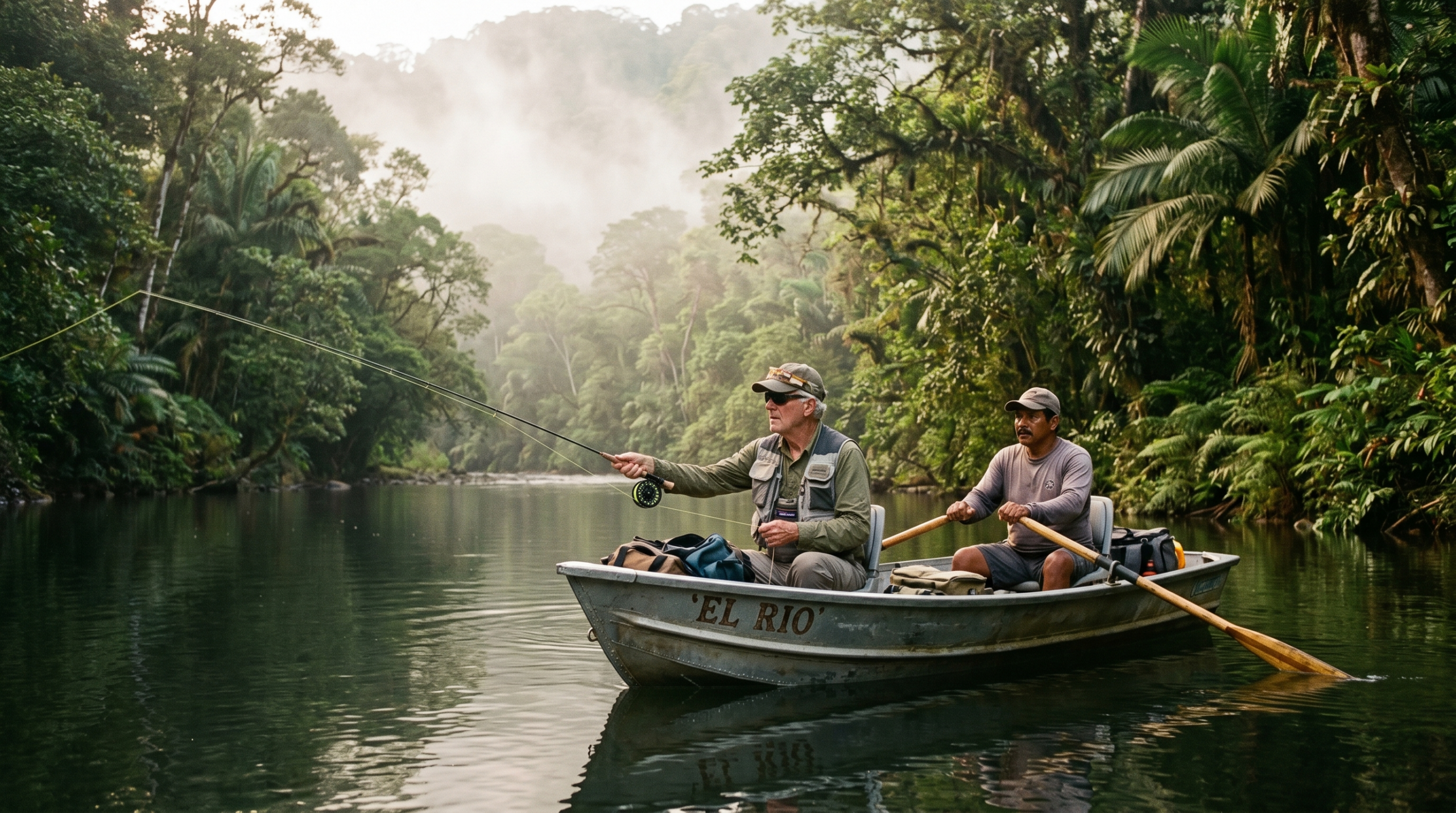
Some rivers are just places to fish.
The Río Niño is not one of them.
Long before fly fishing trips could be booked online, long before social media turned every catch into content, this river was already carrying stories. Stories about homemade poppers, jungle floats, old friendships, school-supply missions, boatmen who knew every bend, and anglers who came looking for fish but found something much harder to explain.
This is one of those stories.
Quick Answer: Why This Río Niño Story Matters
This article is less about chasing fish and more about understanding why the river still matters.
The River That Started It All
Fly fishing in Costa Rica has never been only about the fish. Not for the people who really understood it.
For anglers like Lee Swidler, the Río Niño became more than another stretch of tropical water. It became a classroom, a proving ground, a place of friendship, and the setting for stories that still feel alive years later.
Lee came from Colorado, where trout fishing shaped much of his angling life. Costa Rica gave him something completely different. Warmer water. Wilder banks. Fish that struck like they had something personal to settle. And a river culture that rewarded creativity as much as technique.
Before Costa Rica: Lee’s Fly Fishing Roots
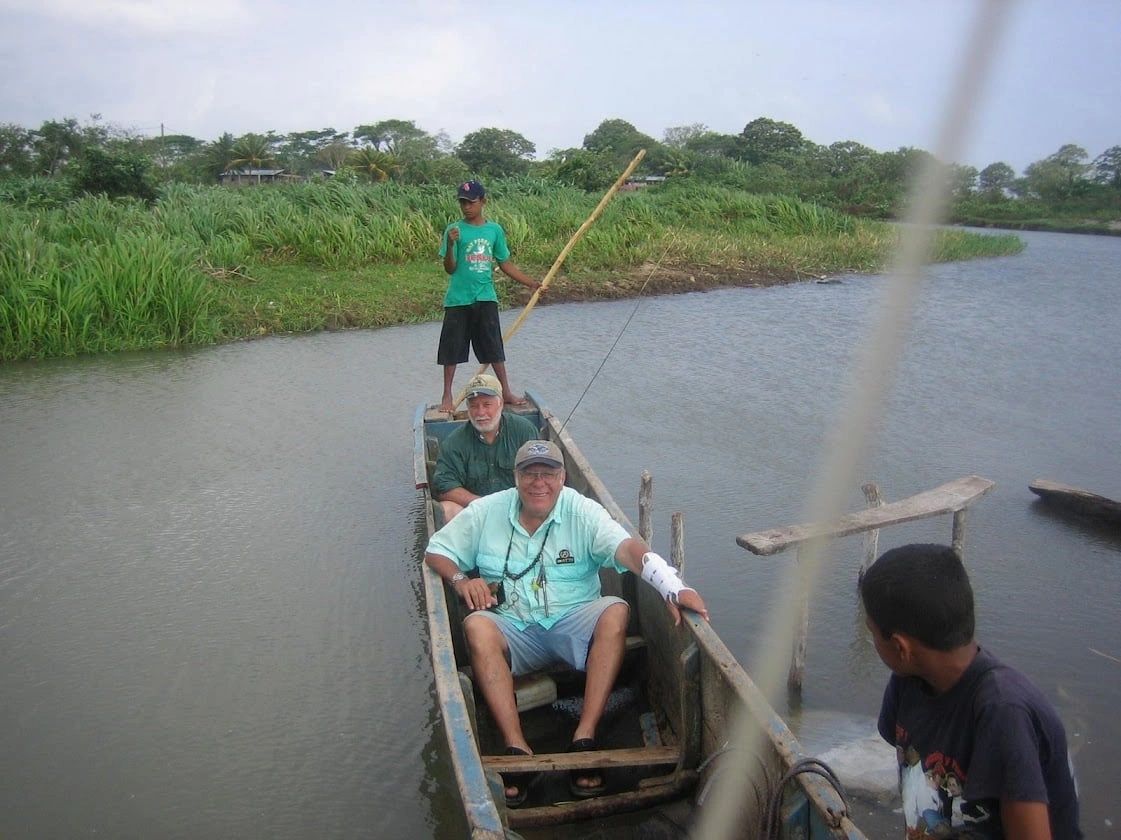
Before the jungle rivers, before handmade fruit flies, before long floats near Lake Nicaragua, Lee was a trout fisherman from Colorado.
He knew cold water, mountain streams, and the rhythms of trout country. That background mattered, but Costa Rica would ask him to rethink the rules. The fish behaved differently. The water looked different. The flies were different. Even the materials were different.
That is the beauty of travel when it actually teaches you something. You arrive with what you know, and the place quietly strips away the parts that no longer apply.
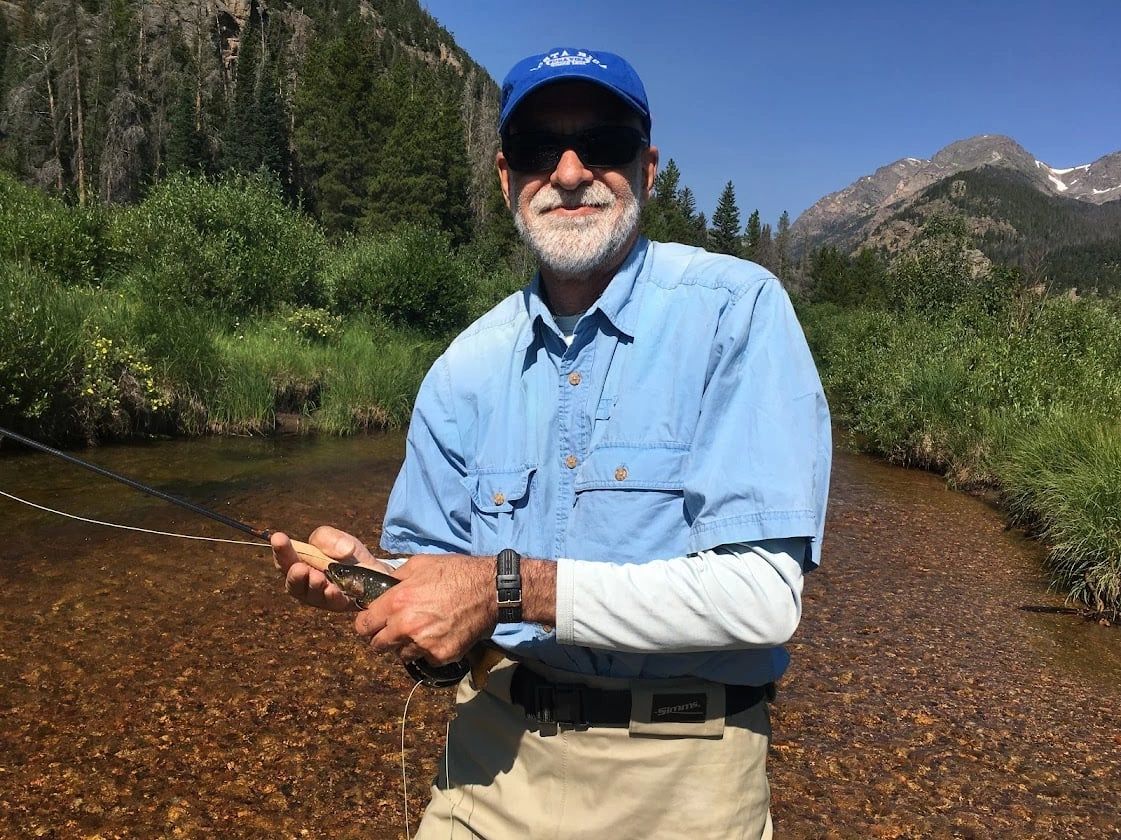
“I came down in ’97 and of course brought my fly rod.”
— Lee SwidlerFinding Peter Gorinsky and the Río Niño
Lee’s Costa Rica story eventually connected with Peter Gorinsky, one of the great names in tropical fly fishing history.
Peter was not just another angler. He was a storyteller, conservationist, guide, lodge owner, and one of the people who helped bring fly fishing deeper into Costa Rica’s outdoor culture before the internet made everything searchable.
Born along the Berbice River in Guyana, Peter lived a life that sounds almost fictional if you try to summarize it too neatly. Gemology. Orchid carving. Wildlife. Fly fishing. Guiding. Conservation. Stories that apparently came with no shortage of side trails.
He helped train guides, influenced early Costa Rica fly fishing, and became one of those rare people whose legacy sticks not because of branding, but because people actually remembered being on the water with him.
Why Peter’s Legacy Still Matters
- He helped introduce and shape tropical fly fishing culture in Costa Rica.
- He understood ecotourism before the word became a marketing label.
- He mentored anglers and guides who carried the river knowledge forward.
- He treated fly fishing as a relationship with place, not just a sport.
The Early River Journeys
In those earlier days, the Río Niño experience was not polished, packaged, or softened for modern travel expectations.
It was boats, banks, weather, local knowledge, improvised gear, and trust. You had to read the river. You had to listen to the boatman. You had to accept that plans were more of a suggestion than a contract.
That is part of what made the stories stick.
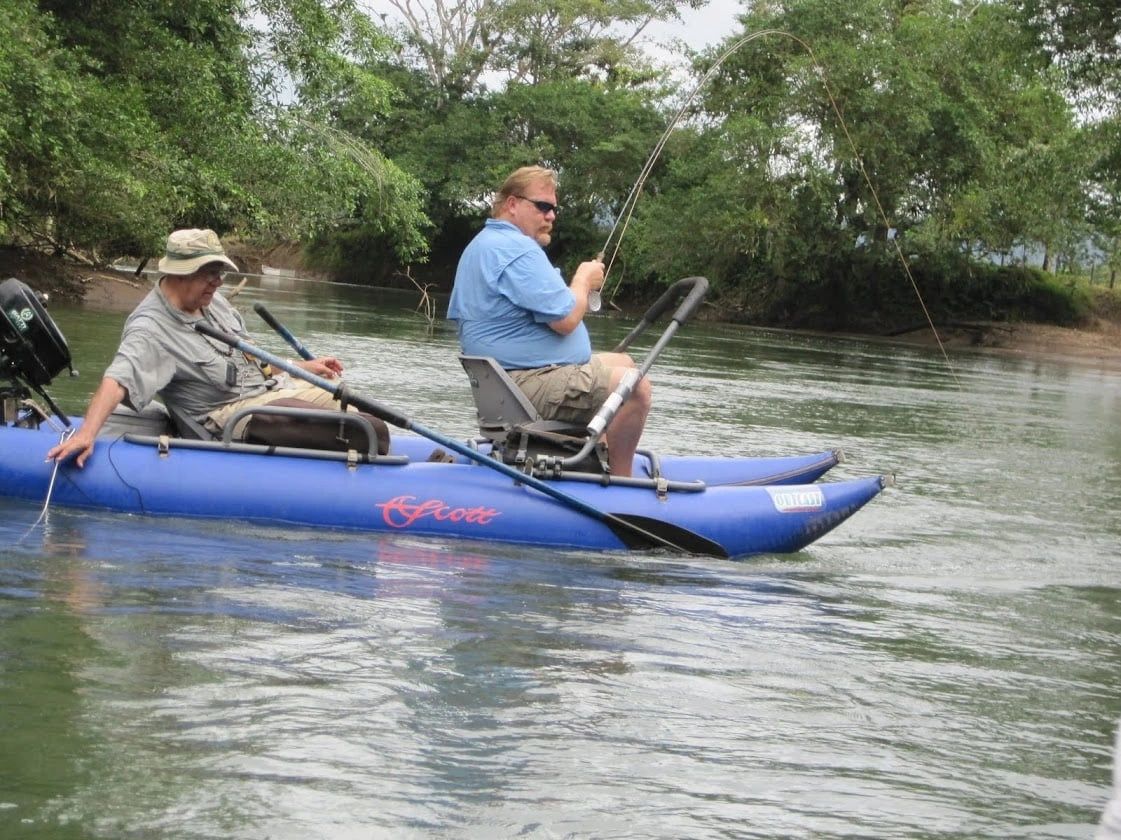
The Jungle Creates Its Own Flies
One of the best parts of Lee’s story is how practical everything was.
No one could simply walk into a fully stocked fly shop and buy every tropical pattern they wanted. If a fly did not exist, you made it. If a material worked, you used it. If the fish liked chaos, then chaos became part of the pattern.
Seeds from the beach. Rubber bands. Party feathers. Broom bristles. Nail polish. Balsa wood. Whatever floated, popped, shimmered, or looked vaguely edible to a machaca became fair game.
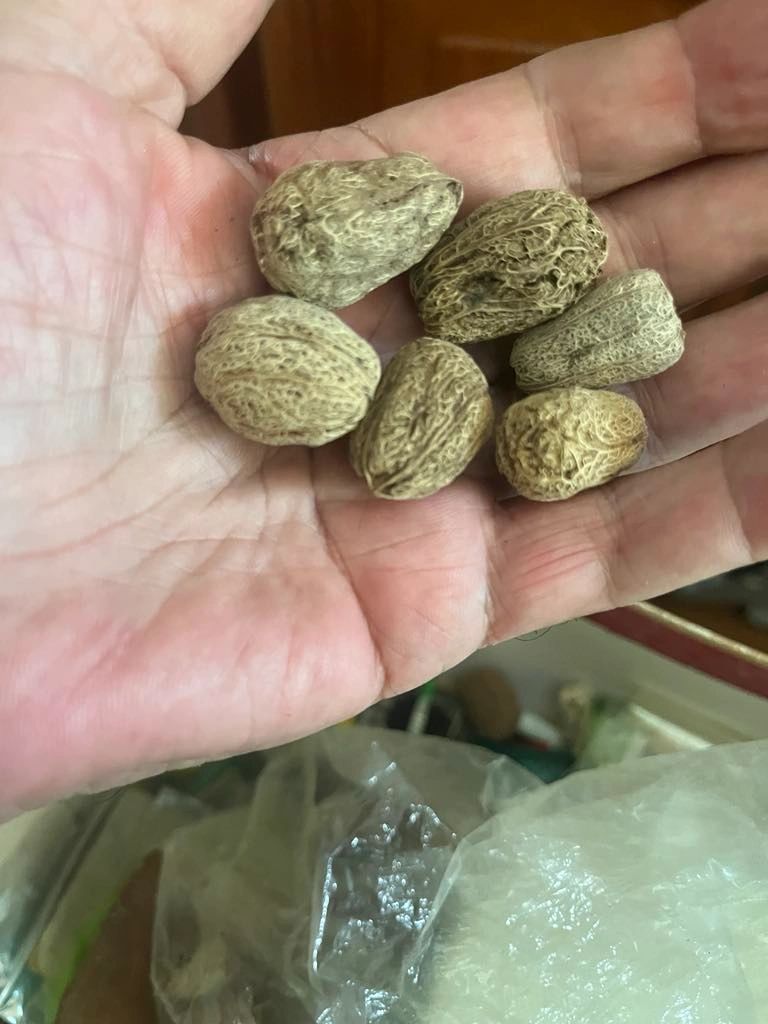
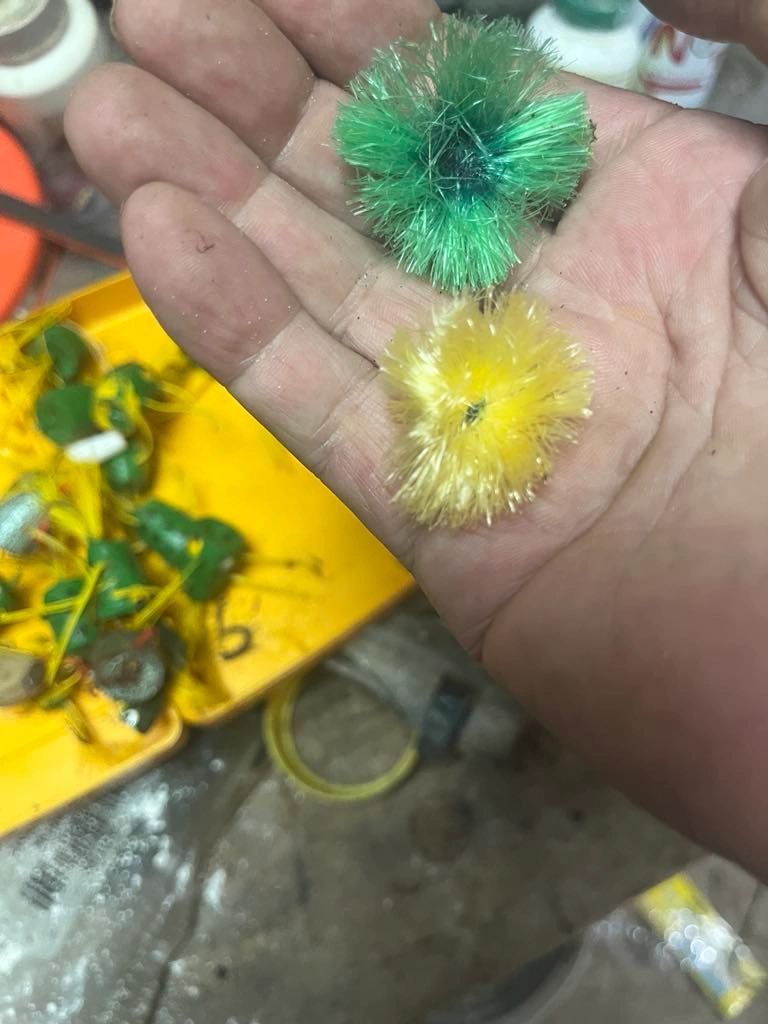
“Machaca aren’t real bright. They’d hit anything that resembled fallen fruit or chaos.”
— Lee SwidlerWhen Fly Tying Became Jungle Problem Solving
Modern anglers can get spoiled by convenience. Search, click, ship, done.
But the older Río Niño stories came from a different world. You made do. You experimented. You tied something ridiculous and then waited to see if the river approved.
That style of fly tying was not just about catching fish. It was about paying attention. What fell from trees? What did fish react to? What moved naturally? What floated? What made enough disturbance to trigger a strike?
That kind of creativity is still part of fly fishing’s soul, even if we sometimes bury it under gear reviews and perfect Instagram flat lays.
The River Communities
The Río Niño story also reaches beyond fishing.
Lee shared memories of trips connected to local communities, including school-supply missions and river journeys where fishing, travel, and human connection blurred together.
That matters because sustainable fishing travel is not only about how anglers treat fish. It is also about how visitors understand the communities connected to the river.
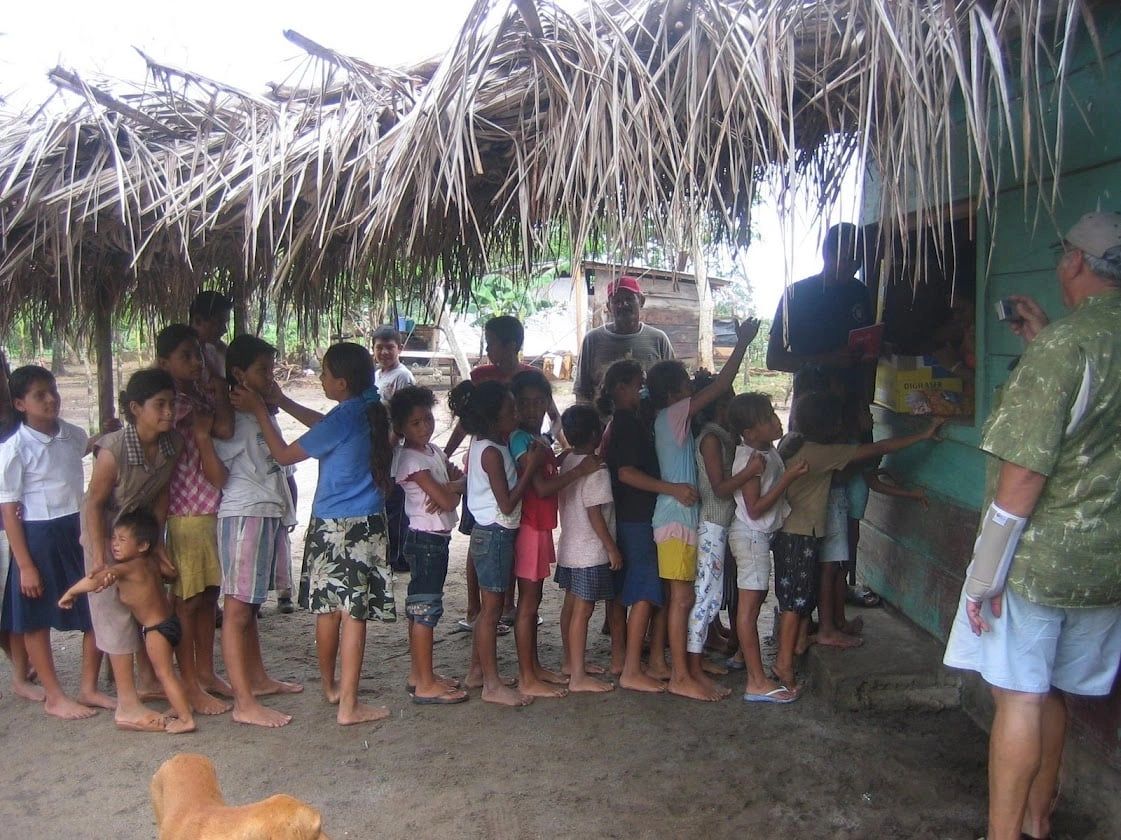
Those moments are part of the reason this history deserves to be preserved. Fish stories are fun. Community stories last longer.
Related read: Sustainable Fly Fishing Travel in Costa Rica
Gilberto and the River Knowledge
Every river has people who know it differently than everyone else.
For the Río Niño, Gilberto is one of those people.
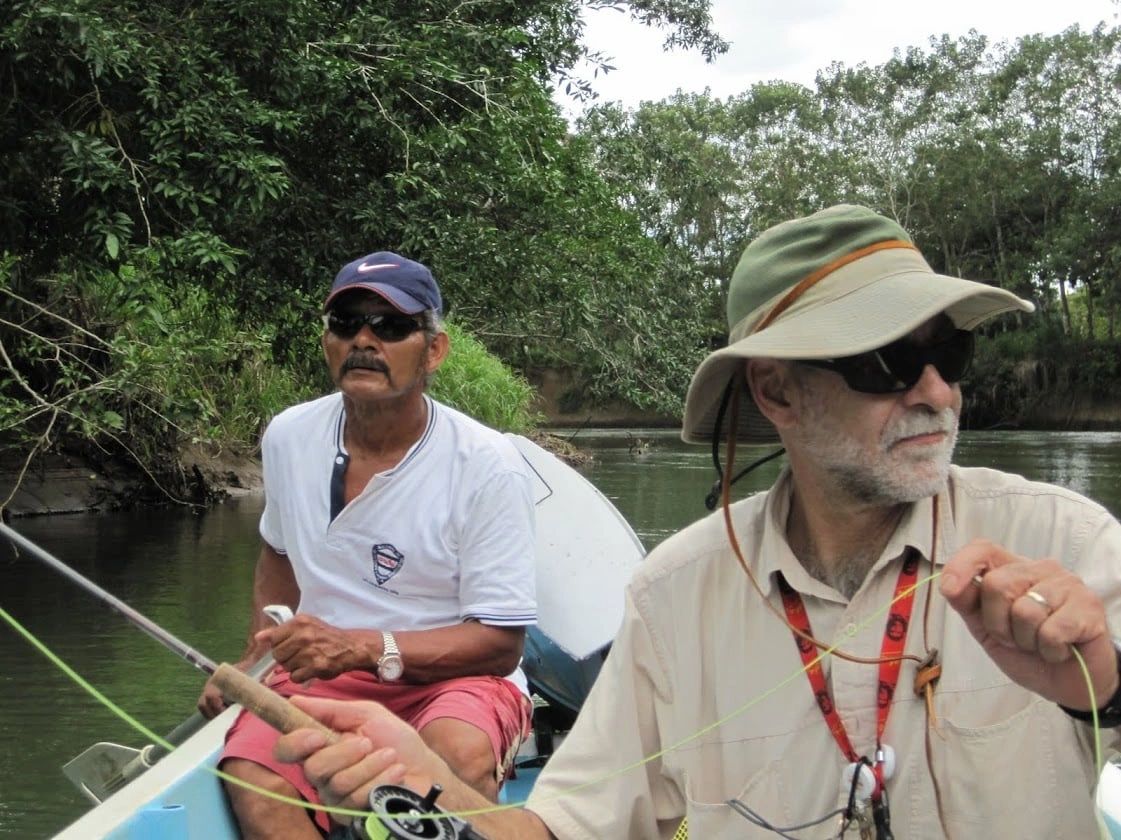
Lee’s stories often come back to Gilberto because he was not simply a boatman. He was the person who knew where to sit, when to move, how to read changing water, and how to get people home when conditions stopped being polite.
Why Local River Knowledge Matters
- River levels can shift quickly after rain.
- Structure changes with season, current, and debris.
- Fish behavior depends on more than the calendar.
- Safe decisions often come from experience, not guesswork.
Related read: Fly Fishing Safety Tips for Costa Rica Rivers
The Fish That Keep You Coming Back
Of course, the fish still matter.
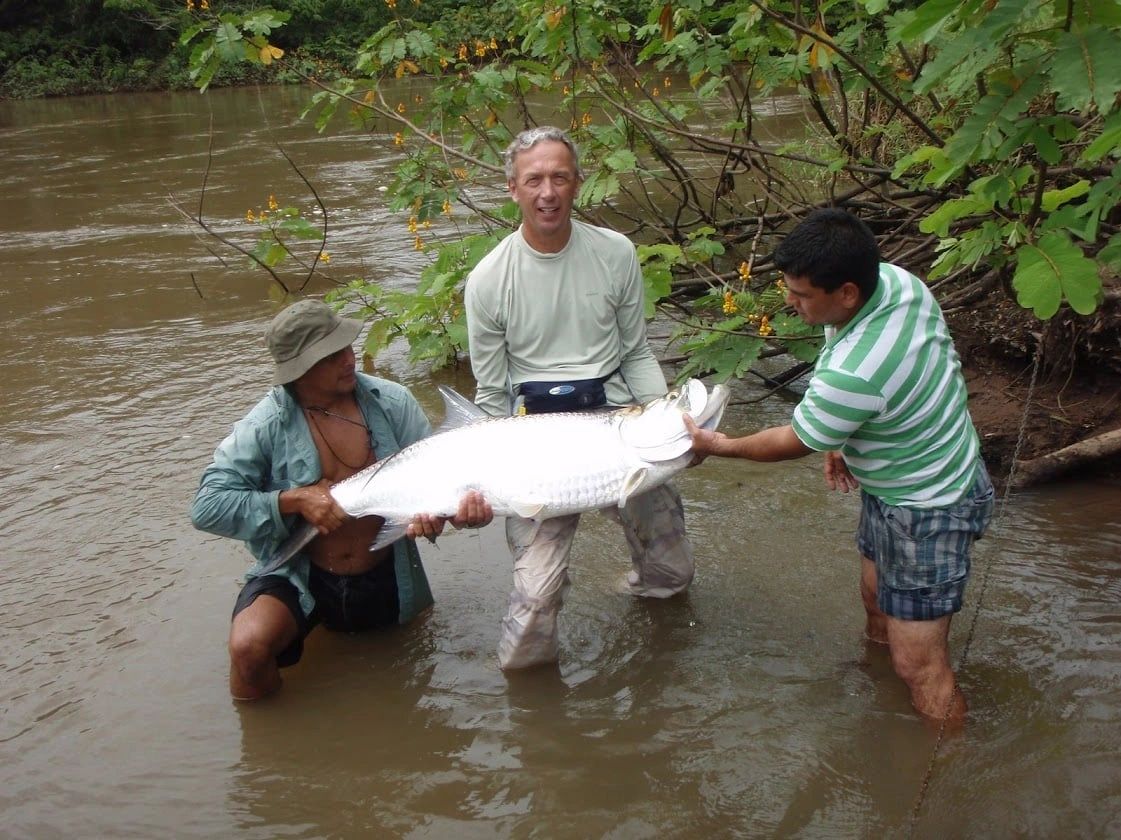
The Río Niño and surrounding waters have always offered the kind of action that gets lodged in an angler’s memory. Machaca, guapote, tarpon, and other tropical species all carry their own kind of electricity.
Lee talked about putting clients on fish and watching the show begin. Anyone who has seen a big tropical fish turn a quiet moment into total chaos understands exactly what that means.
Related read: Guapote Fly Fishing in Costa Rica
Why the River Matters
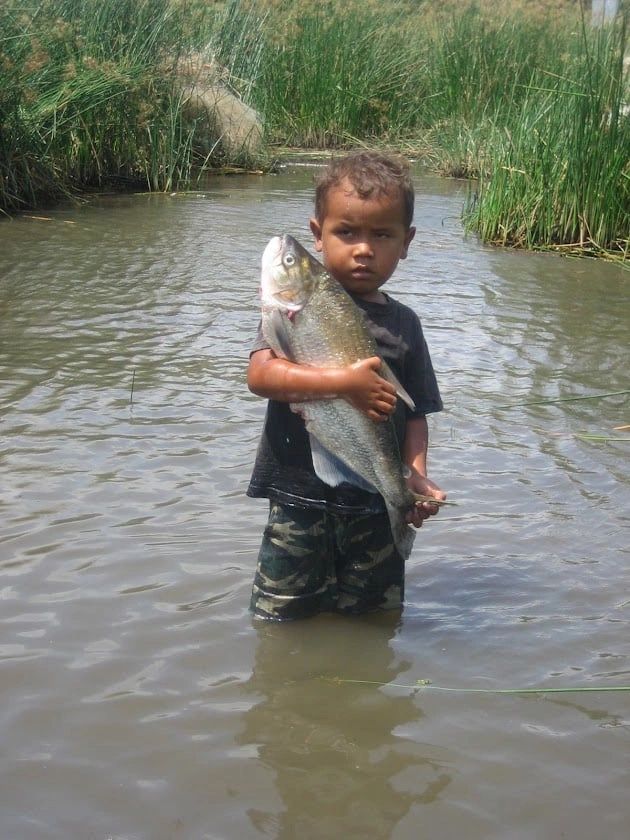
There is a photo in this collection that says more than a polished paragraph ever could.
A child standing in the water, holding a fish with both arms, looking straight into the camera. No staged luxury. No brochure polish. Just river, fish, kid, and moment.
That is what the Río Niño has always had underneath the fishing: connection.
When travel is done right, it does not erase the local story. It respects it. It adds to it carefully. That is the difference between passing through a place and actually understanding why it matters.
The River Keeps Moving
Today, the Río Niño is still being written.
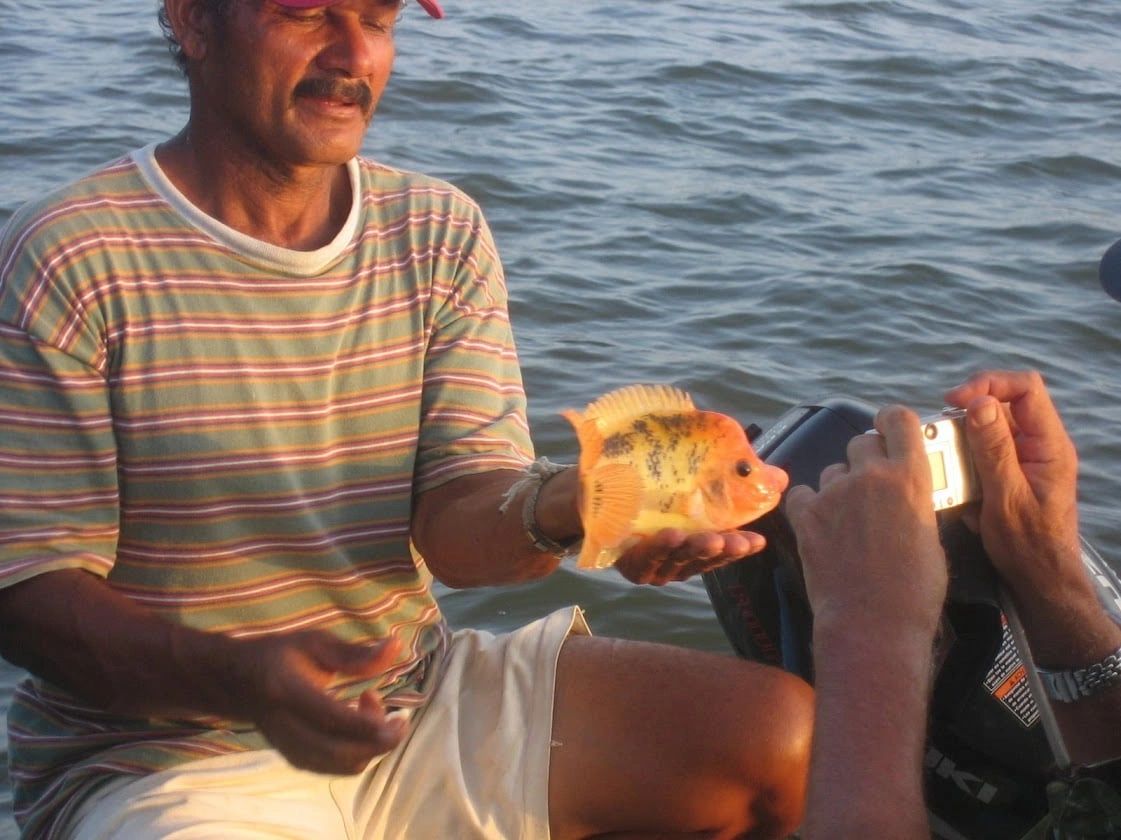
Lee’s stories, Peter’s influence, Gilberto’s guiding, the handmade flies, the river communities, the old floats, the chaos of tropical fish smashing poppers — all of it still lives inside the experience.
That does not mean the river is frozen in the past. It means the past gives the present more weight.
What Modern Anglers Can Learn From These Stories
There is a lesson in all of this, and it is not complicated.
Fly fishing gets better when you stop treating it like a scoreboard.
The early Río Niño stories were about fish, yes. But they were also about patience, improvisation, friendship, community, weather, boats, local knowledge, handmade flies, and the willingness to let a river teach you something.
The Río Niño Lessons
- Listen to people who know the water.
- Respect the river before you try to master it.
- Do not confuse polished travel with meaningful travel.
- Sometimes the best fly is the one made from whatever was available.
- The story you bring home may matter more than the fish count.
Final Cast: Preserving the Stories That Made the River Matter
The Río Niño has always been more than a river.
For Lee Swidler, it was a place of discovery. For Peter Gorinsky, it was part of a larger vision for tropical fly fishing and ecotourism. For Gilberto, it is home water, working water, remembered water.
For visitors today, it can still be something rare: a place where the fishing feels connected to history instead of detached from it.
You might come for guapote, machaca, tarpon stories, or a quiet float through jungle water. But if you pay attention, you leave with something else too.
You leave with a river story.
Want to Be Part of the Río Niño Story?
Río Niño Outfitters keeps this experience rooted in what made the river special in the first place: local knowledge, real fishing, quiet water, wildlife, community, and a lodge base that gives the trip room to breathe.
You do not need a polished resort version of Costa Rica to have a memorable trip. Sometimes you just need the right river, the right guide, and a story worth telling afterward.
Frequently Asked Questions
Who was Lee Swidler?
Lee Swidler is a longtime fly angler from Colorado who became part of the early Río Niño fly fishing story through his connection with Peter Gorinsky, Gilberto, and Costa Rica’s tropical river fishing culture.
Who was Peter Gorinsky?
Peter Gorinsky was a fly fishing pioneer, storyteller, conservation-minded guide, and influential figure in Costa Rica’s tropical fly fishing history.
Why is Gilberto important to the Río Niño story?
Gilberto’s local river knowledge, boat handling, and decades of experience connect the older Río Niño fishing stories to the guided experiences still offered today.
What makes the Río Niño different from other fishing destinations?
The Río Niño combines freshwater fishing, local guiding knowledge, quiet river scenery, community connection, and a sense of history that gives the experience more depth than a typical fishing trip.
Can visitors still fish the Río Niño today?
Yes. Visitors can experience the Río Niño through guided fishing packages, wildlife floats, and lodge stays with Río Niño Outfitters.