
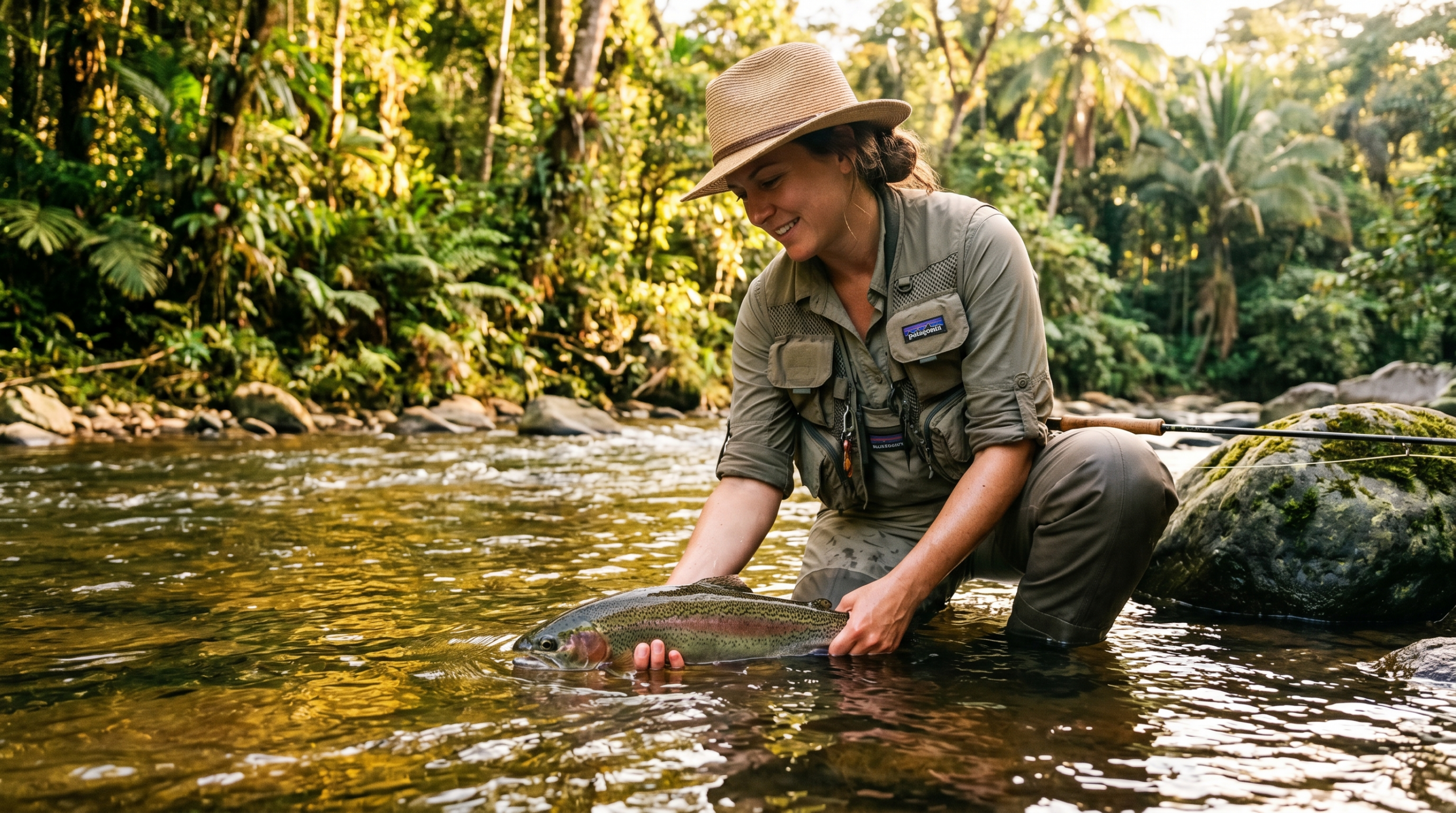
Sustainable fly fishing travel in Costa Rica is not about trying to look environmentally perfect for social media.
It is about making practical decisions that reduce unnecessary pressure on rivers, fish populations, wildlife, and local communities while still enjoying an incredible fishing experience.
Costa Rica’s freshwater systems are part of what makes the country unique. The rivers support fish, wildlife, tourism, guides, transportation, and surrounding communities all at once. When fishing travel is done responsibly, everybody benefits longer term — including future anglers.
That is the real goal of sustainable fishing travel: protecting the experience without removing the adventure.
Quick Answer: What Is Sustainable Fly Fishing Travel?
Responsible fishing travel protects the rivers people come to experience in the first place.
Why Sustainability Matters in Costa Rica
Costa Rica’s rivers are part of a much larger ecosystem. Freshwater systems support wildlife, local communities, tourism, transportation, fishing opportunities, and surrounding jungle environments all at once.
That balance can be damaged surprisingly quickly when tourism grows without enough care or planning.
Riverbanks erode. Wildlife gets disturbed. Fish experience heavier pressure. Garbage accumulates. Visitors crowd sensitive areas simply because nobody slowed down long enough to ask whether the place could handle it.
Sustainable fly fishing travel is really about avoiding those patterns before they become normalized.
Catch and Release Is Only Part of the Equation
Catch and release is important, but it is not the entire sustainability conversation.
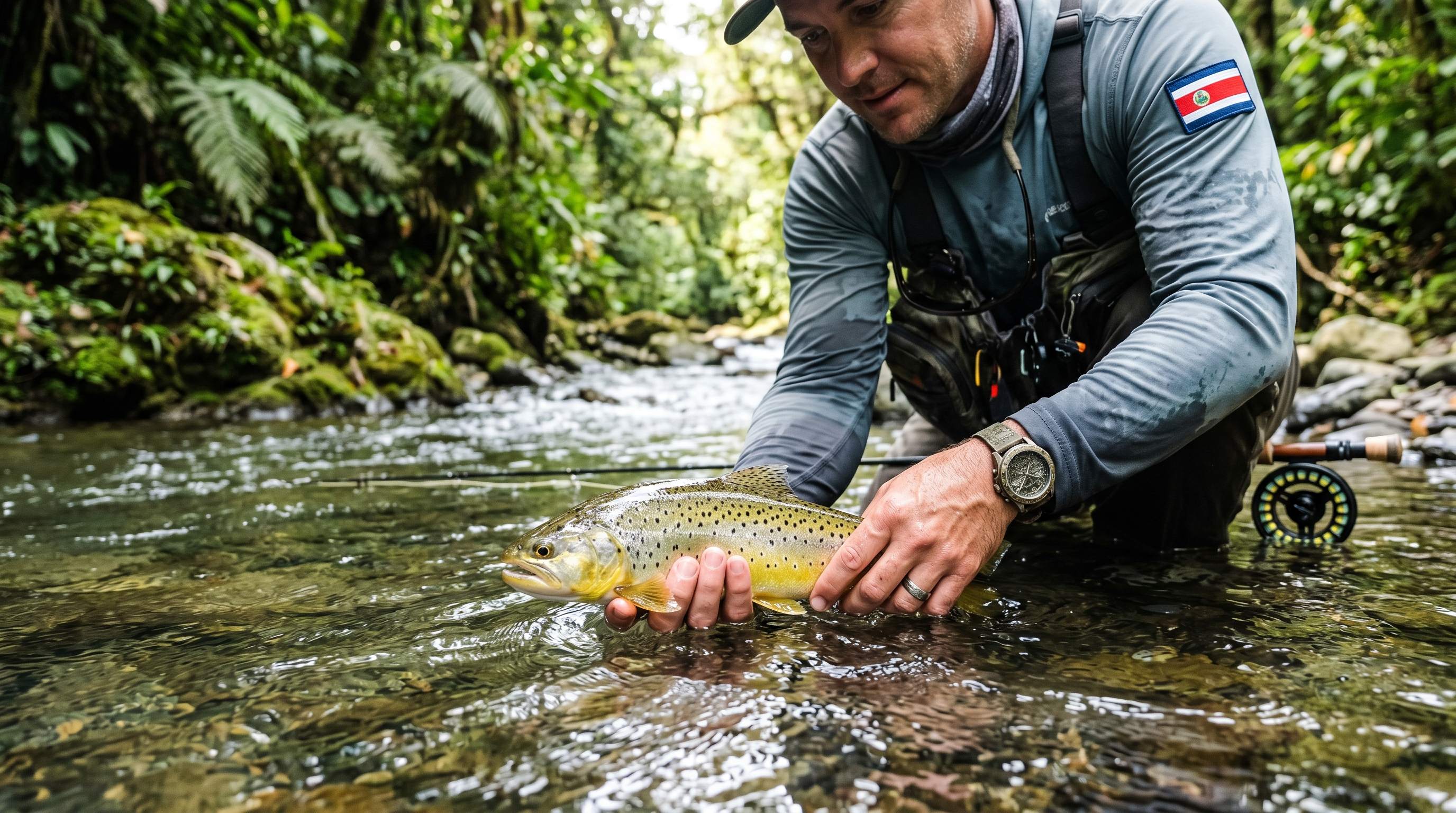
Fish handling practices matter. Water temperature matters. River pressure matters. Even the amount of time a fish spends out of the water matters.
A healthy release should focus on reducing stress and improving the fish’s chances of recovery after the fight.
Better Catch-and-Release Practices
- Use barbless hooks when practical.
- Keep fish wet during handling.
- Limit air exposure.
- Support fish gently instead of squeezing.
- Avoid dragging fish onto dry surfaces.
- Release fish calmly and quickly.
Good fish handling protects the future quality of the fishery while also respecting the animal itself.
Smaller Groups Usually Create Better Fishing Trips
One of the easiest ways to reduce unnecessary pressure on rivers is keeping fishing experiences smaller and more controlled.
Smaller groups create less crowding, less noise, less bank pressure, and a calmer experience overall. They also allow guides to spend more time teaching, adjusting techniques, and managing conditions safely.
For many anglers, smaller river experiences simply feel more authentic. You spend more time paying attention to the water and less time competing for casting space.
Responsible Travel Also Supports Local Communities
Sustainable fishing travel is not only about fish and rivers.
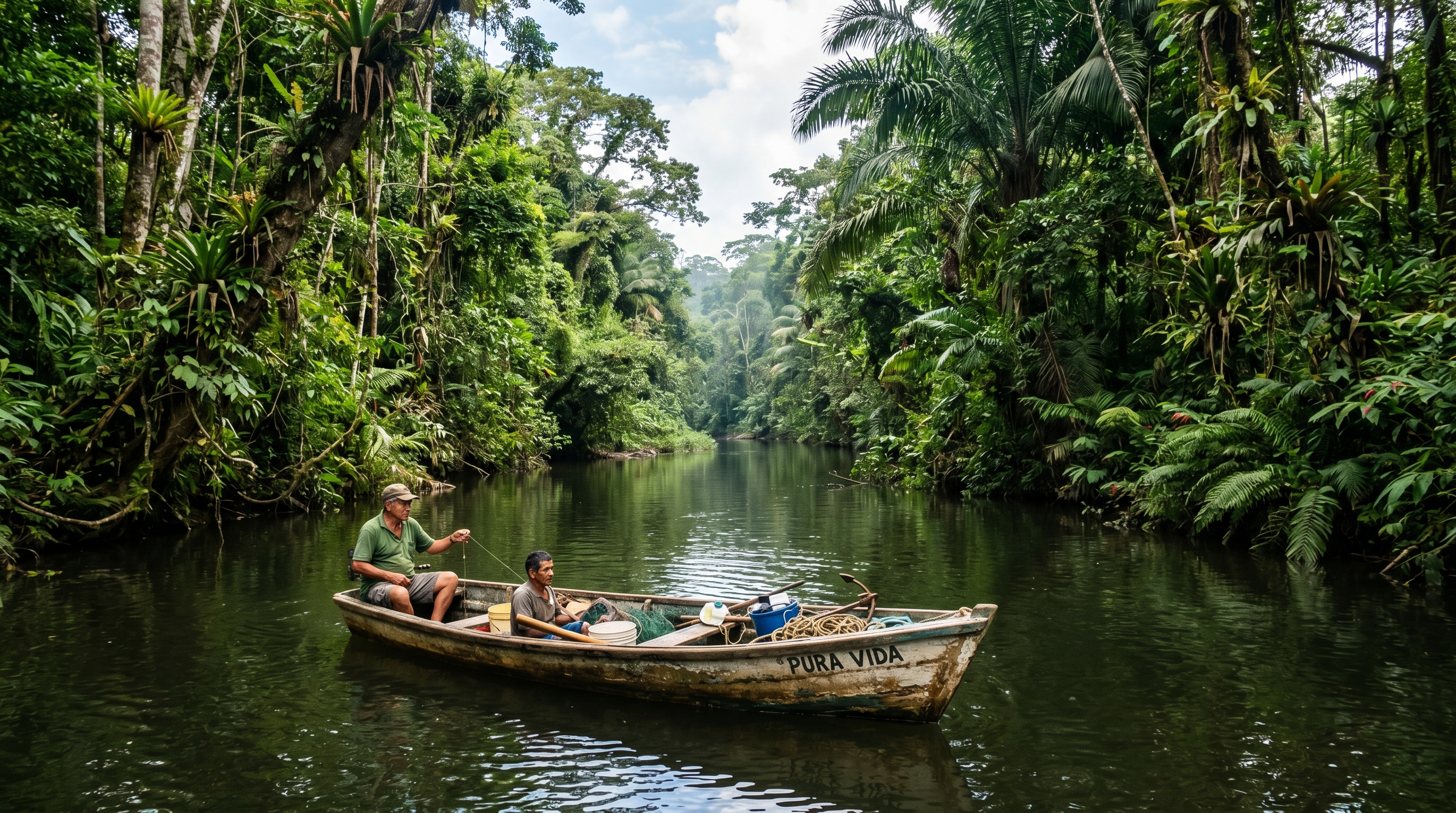
It also involves the people connected to those waterways: guides, lodge operators, drivers, cooks, boatmen, and nearby communities whose knowledge and work help make these trips possible.
Supporting local operations helps keep tourism revenue closer to the regions creating the experience instead of filtering entirely outward through larger outside systems.
That local knowledge also improves the trip itself. Guides who spend years around a river understand changing water conditions, fish behavior, weather patterns, and safe travel routes in ways that cannot be replicated from a map or app.
Questions Worth Asking Before Booking
- Are local guides directly involved?
- Are fishing groups kept manageable?
- Does the operation teach responsible fish handling?
- Does the trip respect weather and river conditions?
- Does the business support nearby communities?
- Is the experience designed around the river or simply sold beside it?
Responsible operations are usually easy to spot once you start paying attention to how they talk about the river and the people around it.
Wildlife Should Stay Wild
One of the best parts of fishing in Costa Rica is everything happening around the river while you fish.
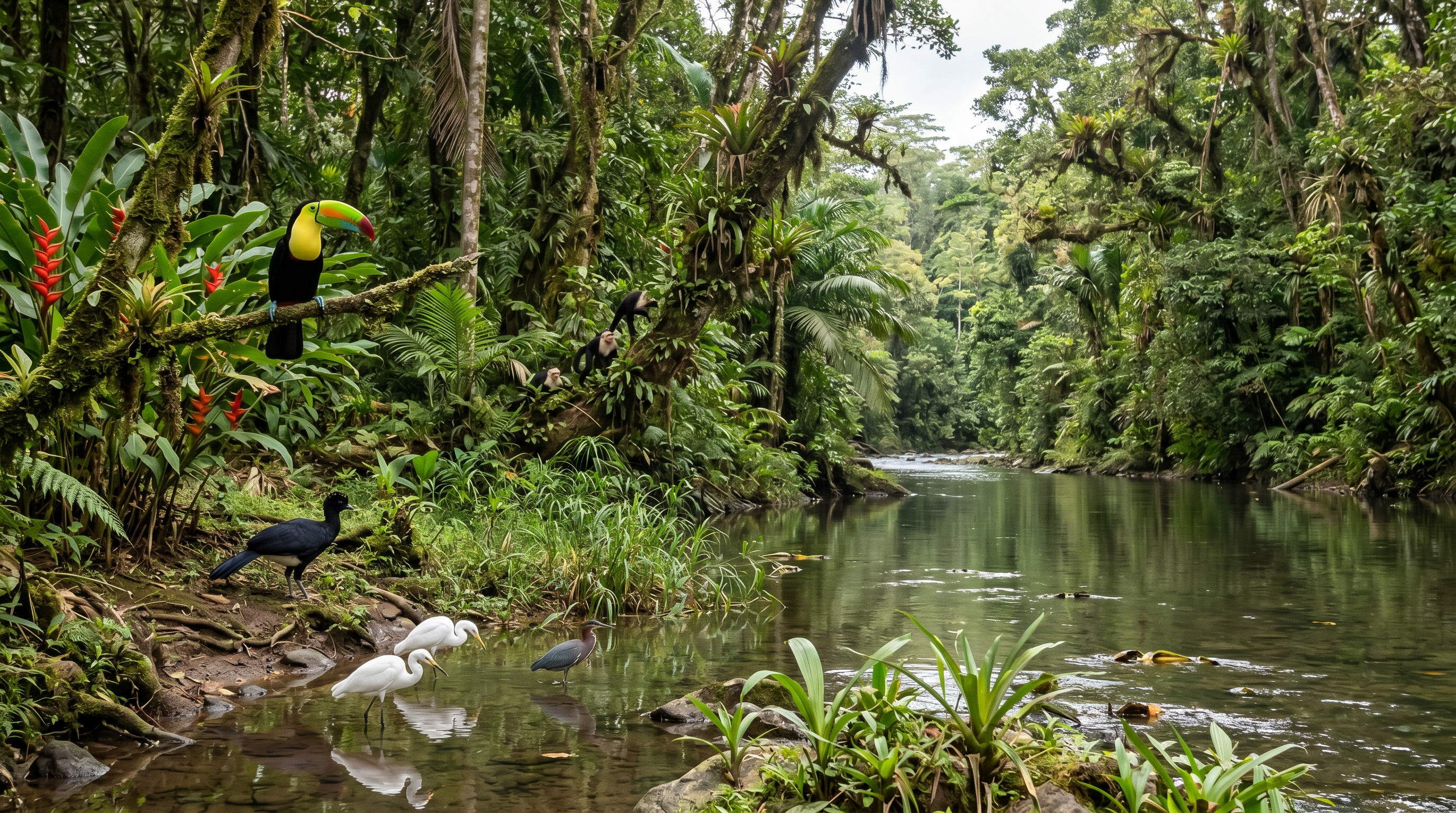
Birds moving through the trees. Jungle sounds. Wildlife along the banks. Quiet moments where the river feels bigger than the actual fishing.
Responsible wildlife viewing means allowing those moments to happen naturally without turning them into performances.
- Avoid feeding wildlife.
- Keep a respectful distance.
- Do not crowd animals for photographs.
- Limit unnecessary noise near wildlife areas.
- Leave natural areas cleaner than you found them.
The goal is observation, not interference.
Better Planning Usually Creates Lower-Impact Trips
One of the easiest ways anglers can reduce unnecessary impact is by planning more efficiently.
Trips built around one region, one lodge base, and smaller guided outings usually create less transportation pressure, less waste, and less disruption than constantly moving between destinations every day.
It also creates a better overall experience. Less time packing and driving means more time actually enjoying the river conditions, wildlife, fishing, and surrounding environment.
- Choose longer stays instead of rapid multi-stop itineraries.
- Travel in smaller groups when possible.
- Use local guides who already understand the river systems.
- Respect weather and water conditions instead of forcing unsafe outings.
- Pack reusable items whenever practical.
Sustainable travel does not have to feel restrictive. In many cases, it simply creates smoother and more enjoyable fishing trips.
Related read: Costa Rica’s Hidden North: Exploring Upala and the Río Niño
What Responsible Fishing Outfitters Should Prioritize
Responsible fishing travel starts long before the first cast.
Good outfitters pay attention to river conditions, group size, fish handling practices, guide experience, and how guests interact with the environment throughout the trip.
The goal should be creating high-quality experiences without putting unnecessary stress on the river system.
Signs of a More Responsible Fishing Operation
- Smaller guided group sizes
- Catch-and-release awareness and education
- Respect for seasonal river conditions
- Proper fish handling practices
- Local guide involvement
- Low-impact lodging and transportation choices
- Respectful wildlife viewing practices
Not every sustainable decision needs to be dramatic. Often the best operations simply make consistently smarter choices over time.
Sustainable Lodging Helps Reduce Unnecessary Pressure
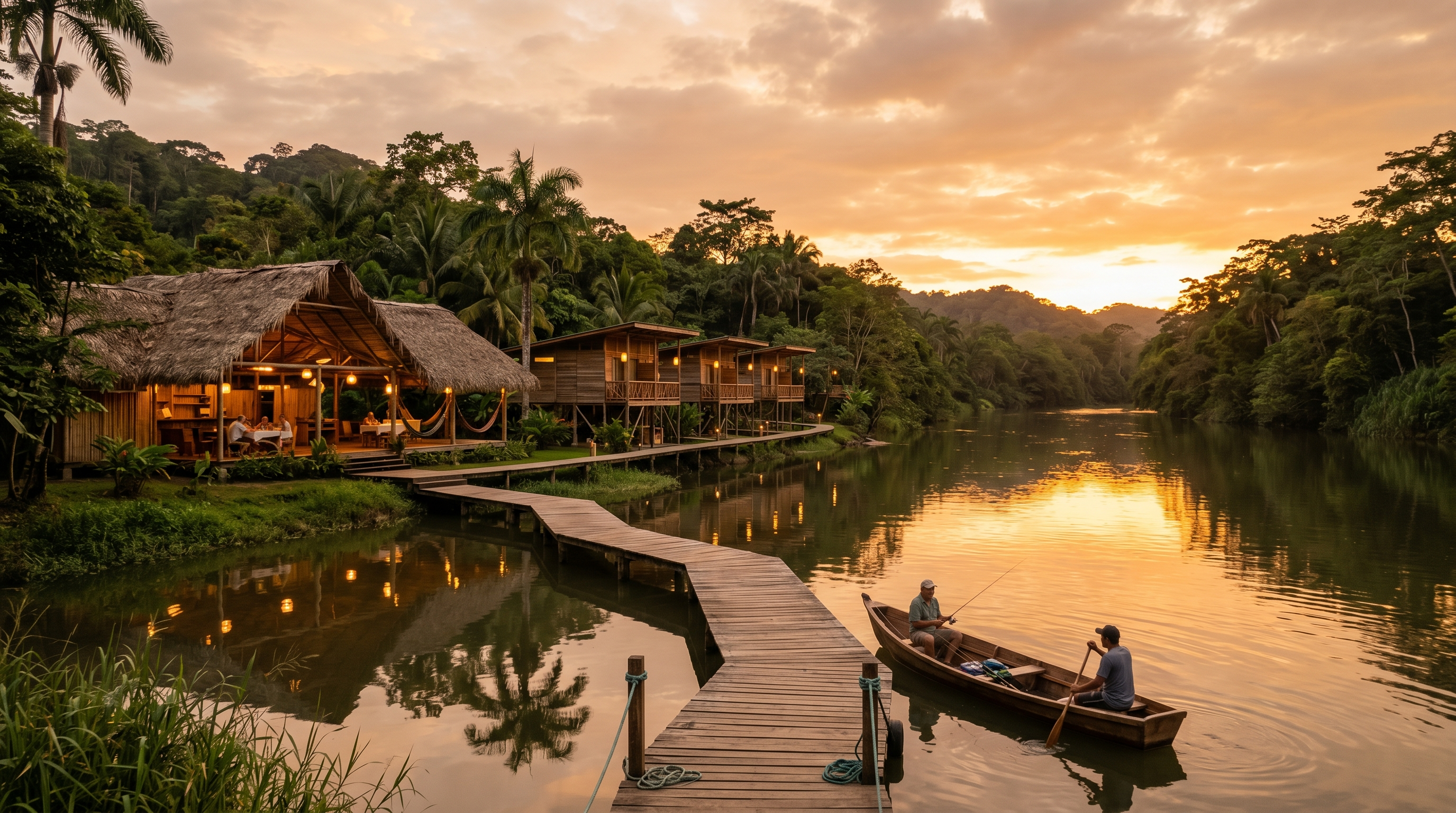
A well-positioned lodge base can help reduce excessive transportation, repeated packing, and unnecessary movement between regions.
Instead of rushing between scattered hotels and activities every day, travelers can stay closer to the river systems they came to experience.
That creates a calmer pace for guests while also reducing logistical pressure around the trip itself.
It also makes fishing days easier. Guests can return, dry gear, eat properly, rest, and reset instead of constantly operating in travel mode.
How Anglers Can Travel More Responsibly
Most responsible travel habits are surprisingly simple.
They do not require perfection. They require awareness.
Simple Low-Impact Habits
- Pack out all garbage and fishing line.
- Respect guide instructions and changing river conditions.
- Avoid damaging vegetation and riverbanks.
- Use reusable bottles and containers when possible.
- Keep wildlife interactions passive and respectful.
- Support local businesses connected to the river region.
- Choose fewer, higher-quality experiences instead of rushing constantly.
Small decisions repeated consistently usually matter more than dramatic gestures.
Related read: Fly Fishing Safety Tips for Costa Rica Rivers
Final Thoughts: Sustainable Fishing Protects the Experience
Costa Rica’s rivers are one of the country’s greatest outdoor assets, and sustainable fly fishing helps protect what makes these trips special in the first place.
Responsible anglers do not need to overcomplicate the idea. Fish carefully. Respect wildlife. Support local guides and communities. Follow river conditions. Leave less impact behind.
Those habits help preserve the fishing experience for future travelers while also creating better trips right now.
At the end of the day, sustainability is not about removing adventure from fly fishing.
It is about making sure the adventure still exists years from now.
Want a More Responsible Costa Rica Fishing Experience?
Río Niño Outfitters focuses on smaller-group river experiences, local guiding knowledge, and a lodge-based setup that keeps the fishing connected to the region instead of turning it into rushed tourism.
The goal is simple: good fishing, respectful travel, and experiences worth protecting long term.
Frequently Asked Questions
What is sustainable fly fishing travel?
Sustainable fly fishing travel means fishing and traveling in ways that reduce unnecessary environmental pressure while supporting local communities, responsible fish handling, and long-term river health.
Why is sustainable fishing important in Costa Rica?
Costa Rica’s rivers support wildlife, tourism, fishing opportunities, and nearby communities. Responsible travel helps protect these freshwater ecosystems for future generations.
Does catch and release automatically make fishing sustainable?
No. Proper fish handling, respecting river conditions, reducing environmental impact, and supporting responsible operations are also important parts of sustainable fishing travel.
How can anglers reduce their environmental impact?
Anglers can reduce impact by packing out waste, respecting wildlife, using proper fish handling practices, following guide instructions, and avoiding unnecessary pressure on fragile river areas.
What makes a fishing outfitter more responsible?
Responsible outfitters usually focus on smaller group sizes, local guide involvement, proper fish handling education, low-impact practices, and respect for seasonal river conditions.